

Eggs Sardou is a classic New Orleans breakfast dish that features creamed spinach, artichoke bottoms, poached eggs, and Hollandaise sauce. This elevated version, which strays from the more traditional, is from Brennan's, a legendary NOLA restaurant with a celebrated culinary history.
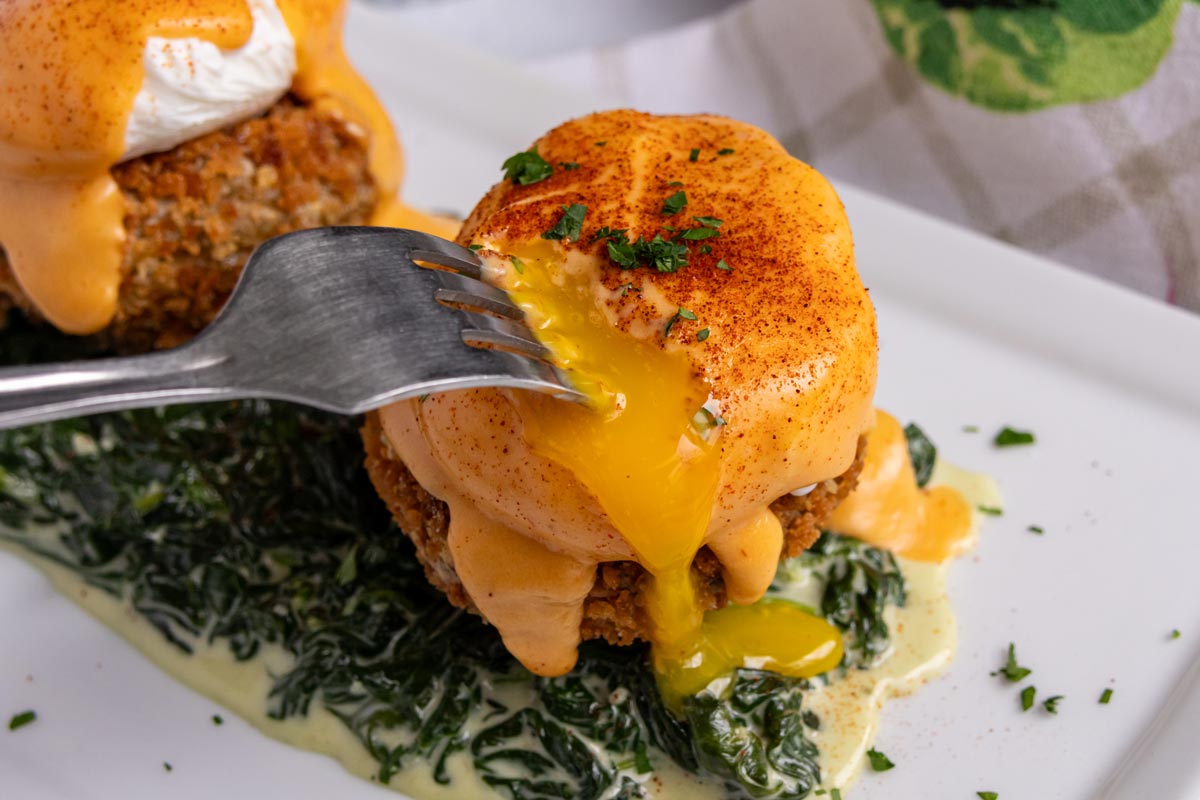
Eggs Sardou was invented at Antoine's restaurant in the French Quarter of New Orleans in 1908. It was named after French dramatist Victorien Sardou to celebrate his visit to the city. The original version features poached eggs served over artichoke bottoms nestled with anchovies, black truffles, ham, and asparagus, all served over creamed spinach.
Modern interpretations typically omit the anchovies, truffles, ham, and asparagus, leaving behind the bed of creamed spinach, artichoke bottoms, poached eggs, and ubiquitous Hollandaise.
The version I'm sharing is yet another interpretation of the original. Around the corner from Antoine's, you'll find another NOLA institution that's renowned for its culinary creations. Brennan's, most famous for delighting the world with its invention of Bananas Foster, has their own rendition of eggs sardou, and it's perhaps the best one of all.
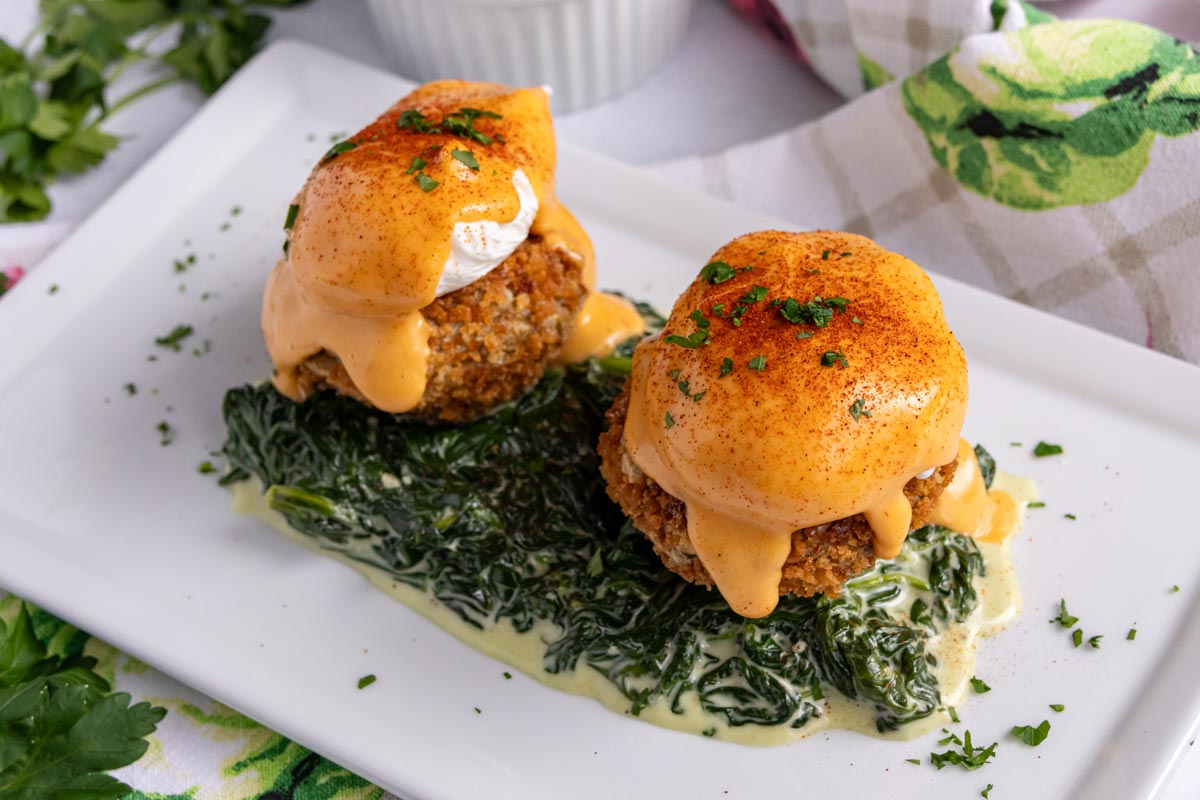
Brennan's Eggs Sardou
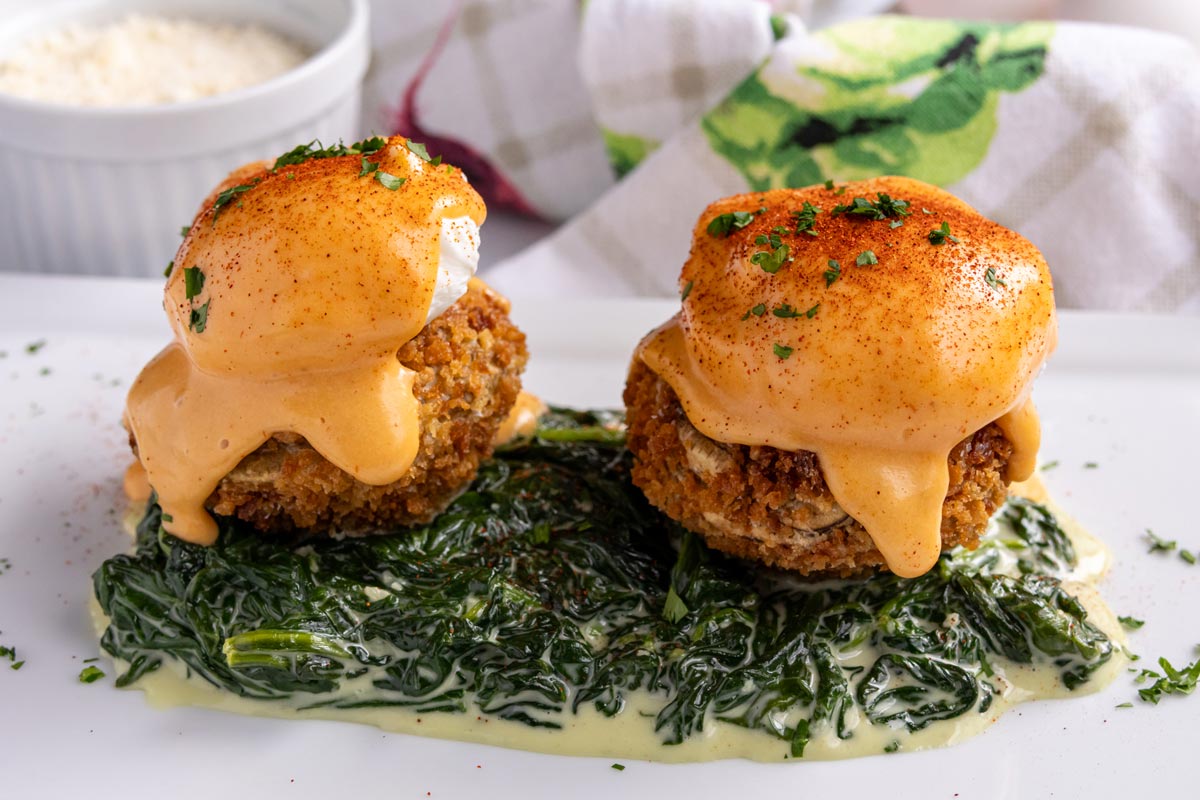
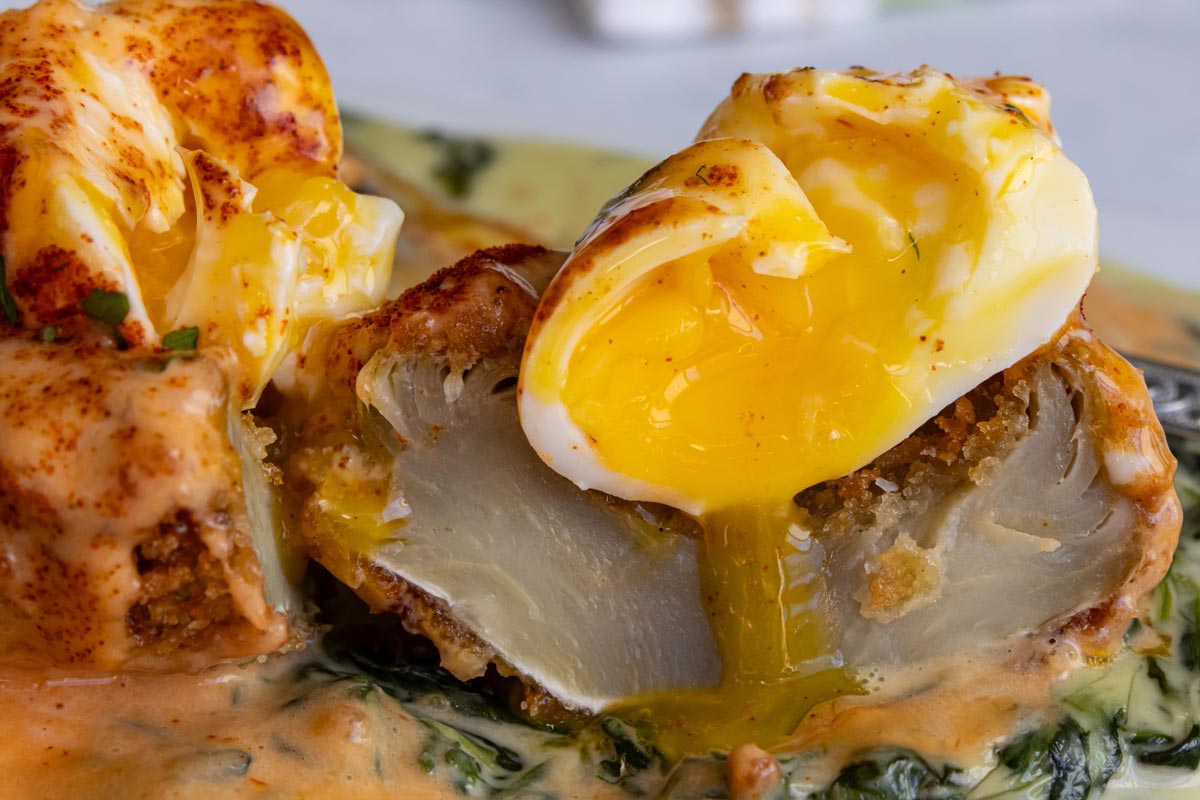
The version served at Brennan's begins with perfectly cheesy and decadent creamed spinach, topped with breaded and fried artichoke bottoms (rather than just plain ones) and poached eggs. It's then finished with sauce Choron instead of the expected Hollandaise.
Choron sauce is a derivative of Béarnaise sauce. It's made by adding tomato product, usually tomato puree or paste, at the end of the process. In this recipe, based on Brennan's, it skips some of the traditional steps of reducing vinegar with shallot, peppercorns, and tarragon and then straining. Instead it's a bit closer to Hollandaise, with added vinegar and tomato, than a classic Choron.
The finished result is absolutely sublime. The added crispy texture of the breaded and fried artichoke bottom is *chef's kiss*. Spinach, artichokes, and cheese are a match made in heaven. If you love spinach and artichoke dip, or my ever-popular spinach and artichoke puff pastry swirls, then you know this combo is a hit.
Meanwhile, the subtle tomato flavor of the Choron married with the runny egg yolk of perfectly poached eggs takes this already beloved dish to another level. I'm not exaggerating when I say that I made this dish for my dad, one of my most discerning critics, and he LITERALLY licked his plate clean.
Ingredient notes
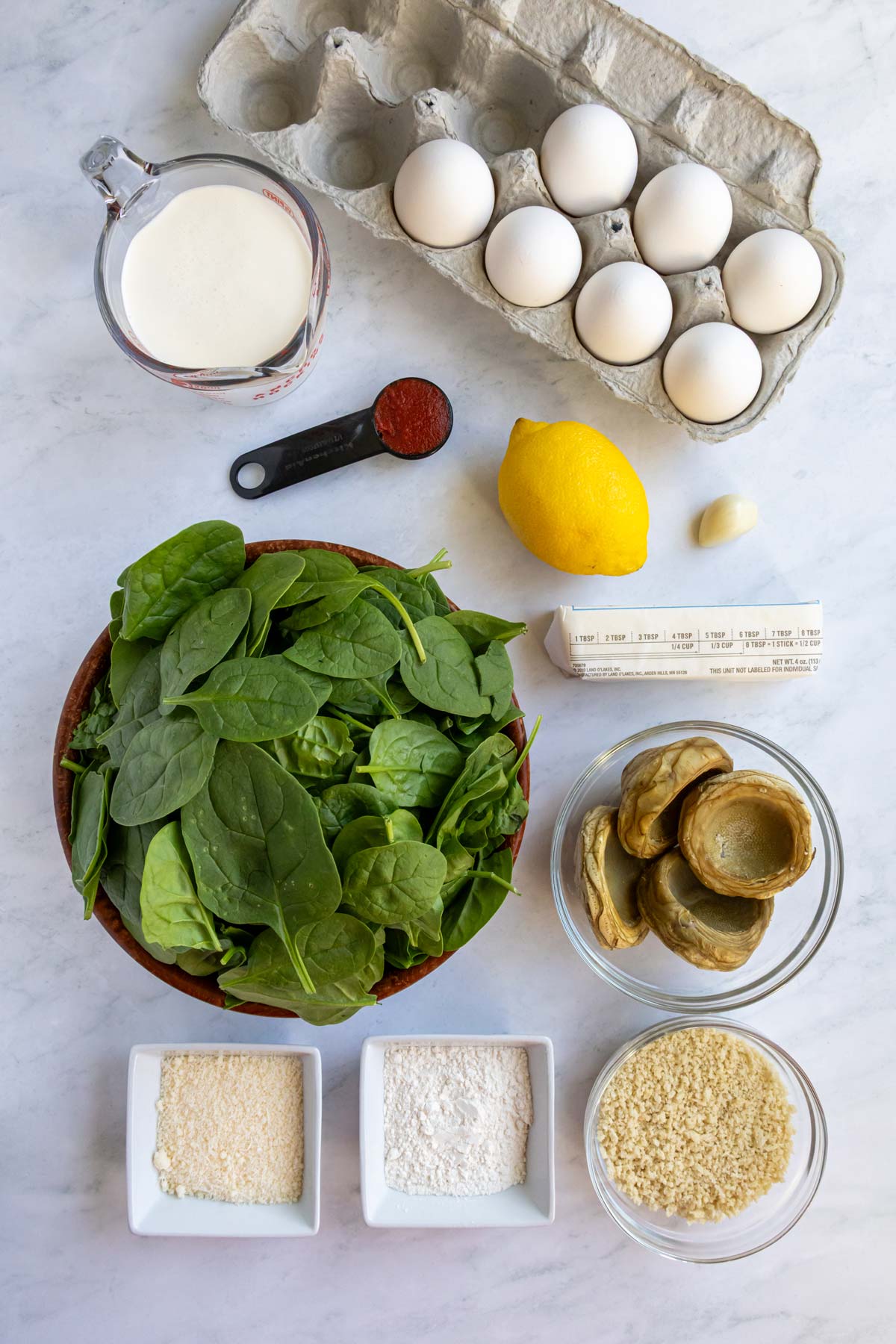
- Artichoke Bottoms: Although you can prepare fresh artichokes to get your artichoke bottoms, it may be easier to use frozen artichoke bottoms.
- Trader Joe's sells frozen artichoke bottoms occasionally/seasonally. I was lucky enough to grab a few bags, but there are other brands you may be able to find.
- Frozen are preferential to using the canned variety, which will add more of a briny flavor, but you can still use canned artichoke bottoms in a pinch.
- Note that the recipe calls for artichoke bottoms and not artichoke hearts. The bottoms act as a sort of cup to hold the poached eggs. That said, the flavor between the two is identical. If you can't find the bottoms, use halved or quartered artichoke hearts to create a bed. In that case, you may want to skip the breading and frying step as it won't yield the same results with a more complicated breading surface.
- Spinach: You can use mature spinach or baby spinach in this recipe. If using mature spinach, make sure to trim and remove the stems and roughly chop it.
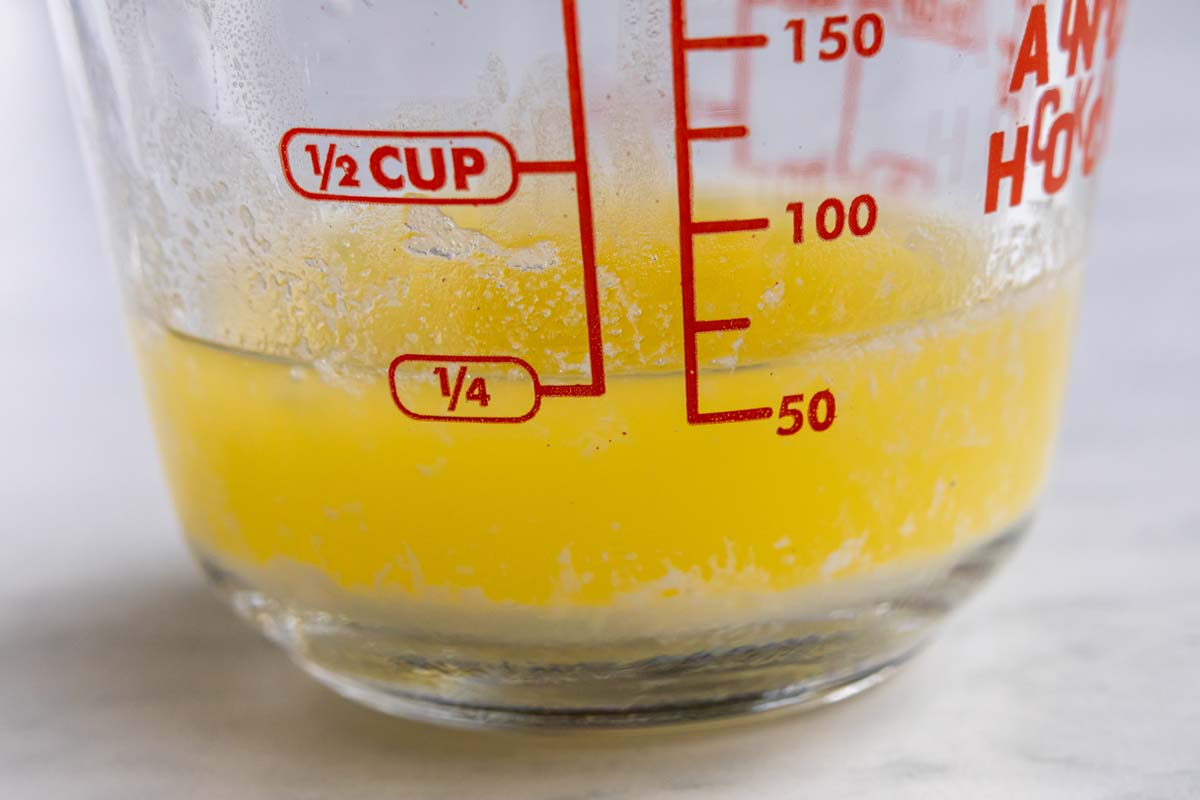
- Butter: Clarified butter is preferable for making a stable and thick Hollondaise, or in this case Choron. That said, you can make the sauce with regular melted butter but it's more likely to split. Here's a good trick for quick clarified butter for making Hollandaise, Bearnaise, or Choron:
- Melt the butter in a glass measuring cup in the microwave in short intervals (it can splatter if you do it for too long) until it's all melted, but don't stir.
- Let it sit for a several minutes to let the water and milk solids sink to the bottom naturally.
- If there is any foam on the surface, gently skim it off with a small spoon.
- The pure fat should rise to the top with a bit of whitish watery liquid at the bottom of the measuring cup.
- Drizzle the melted butter as you whisk the sauce, but when you see you are getting to the bottom with the water/milk solids slowly back off.
- You can add a bit more fat here and there but just avoid adding much of the whitish liquid at the bottom.
- Easy peasy!
How to make it
Bread the artichokes
Blot artichoke bottoms to make sure they are dry. Place flour, beaten egg, and panko in three shallow dishes to set up a breading station.
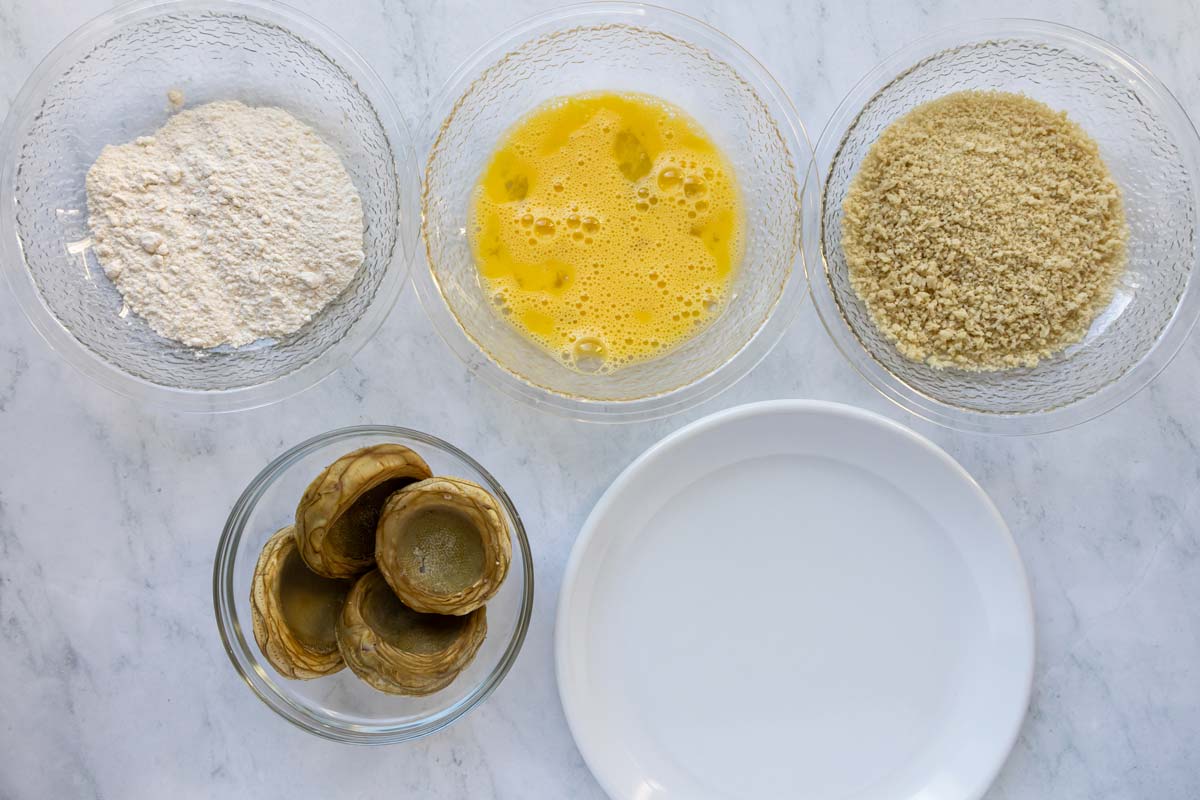
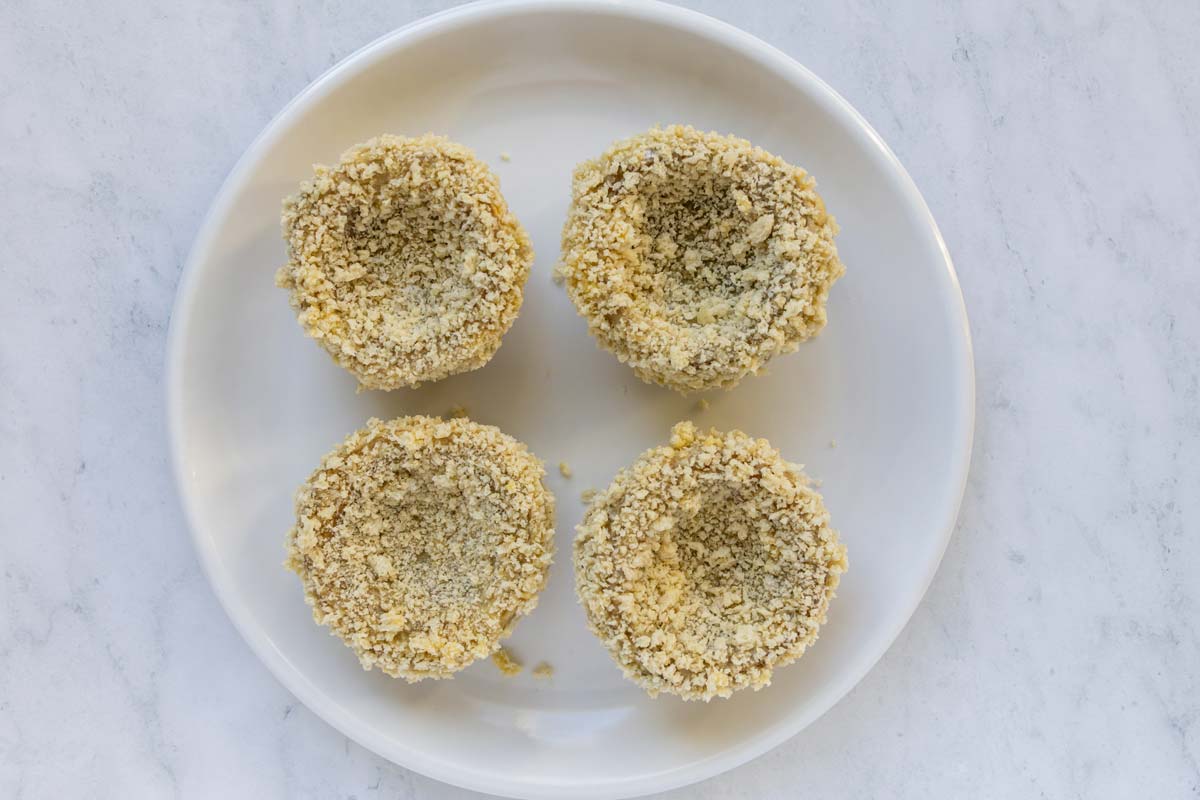
Dredge each artichoke bottom first in flour, shaking off excess, then in the egg (you may want to use a spoon to scoop some egg into the cup of the artichoke bottom, then tilt it around to get coverage over the entire concave part), and finally in the panko.
Set them aside on a plate and refrigerate until ready to fry them.
Make the sauce Choron
Add water to the saucepan and heat until simmering. Select a stainless steel or glass bowl that can rest over the top of a saucepan to create a double boiler. Add the egg yolks, lemon juice, and vinegar.
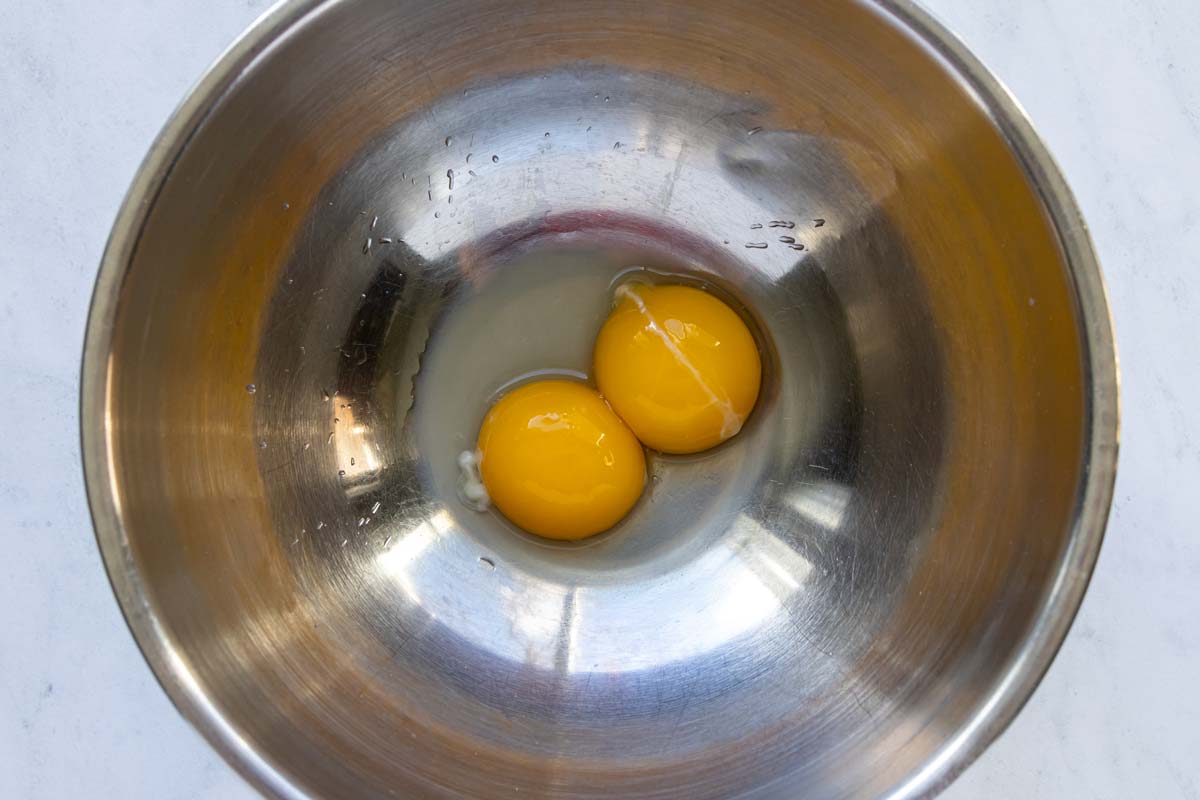
Whisk in the bowl until light and foamy, about a minute. Set the bowl on top of the simmering saucepan of water, not allowing the hot water to touch the bottom of the bowl. Continue to whisk the egg mixture over the double boiler for 1 to 2 minutes, until slightly thickened.
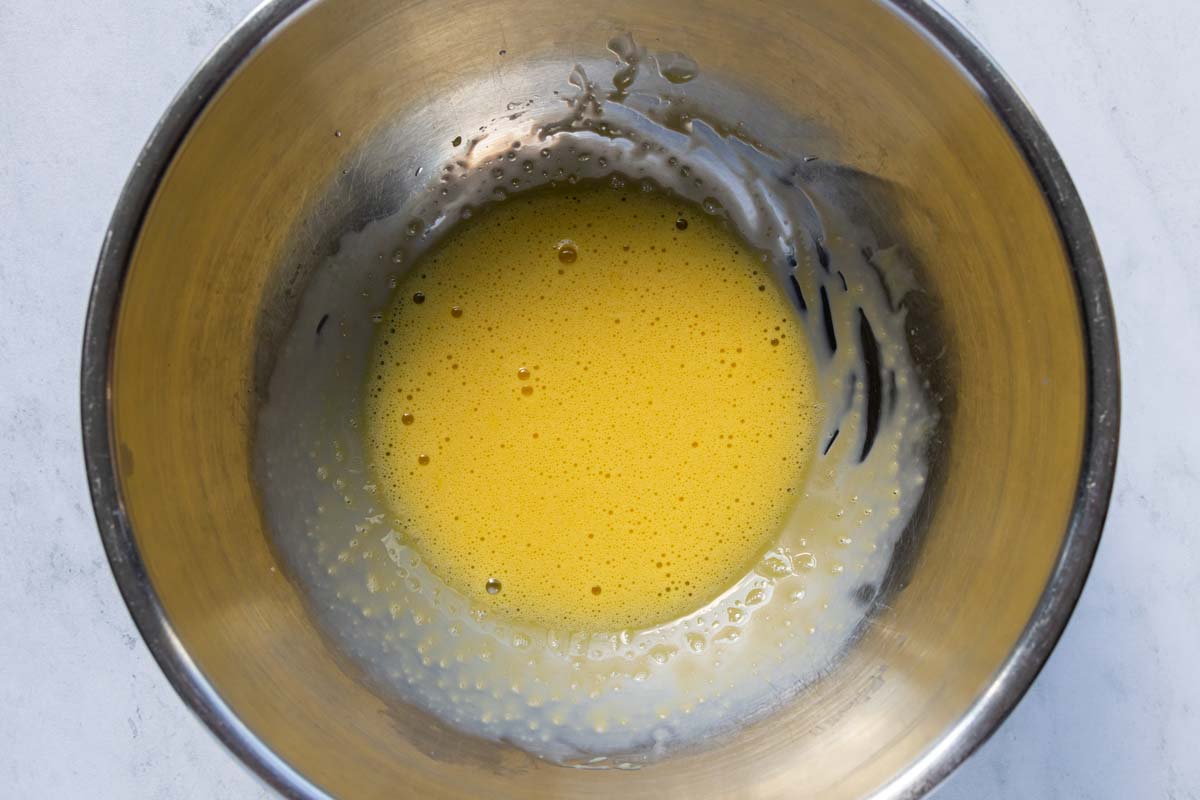
Remove the bowl from the heat and slowly start drizzling in melted (preferably clarified) butter, a little at a time, whisking constantly. Move the bowl back and forth to the double boiler as needed to continue to heat it gently, as needed, but remove it regularly to give it breaks from the heat.
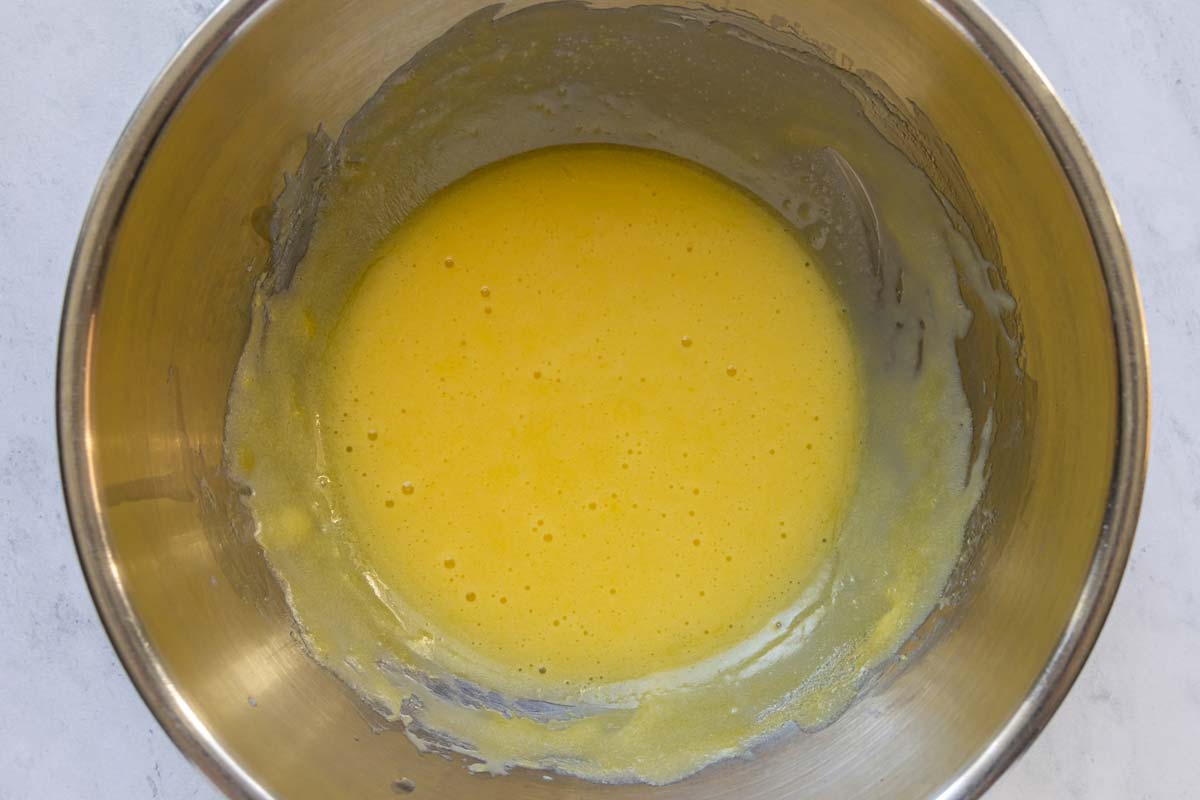
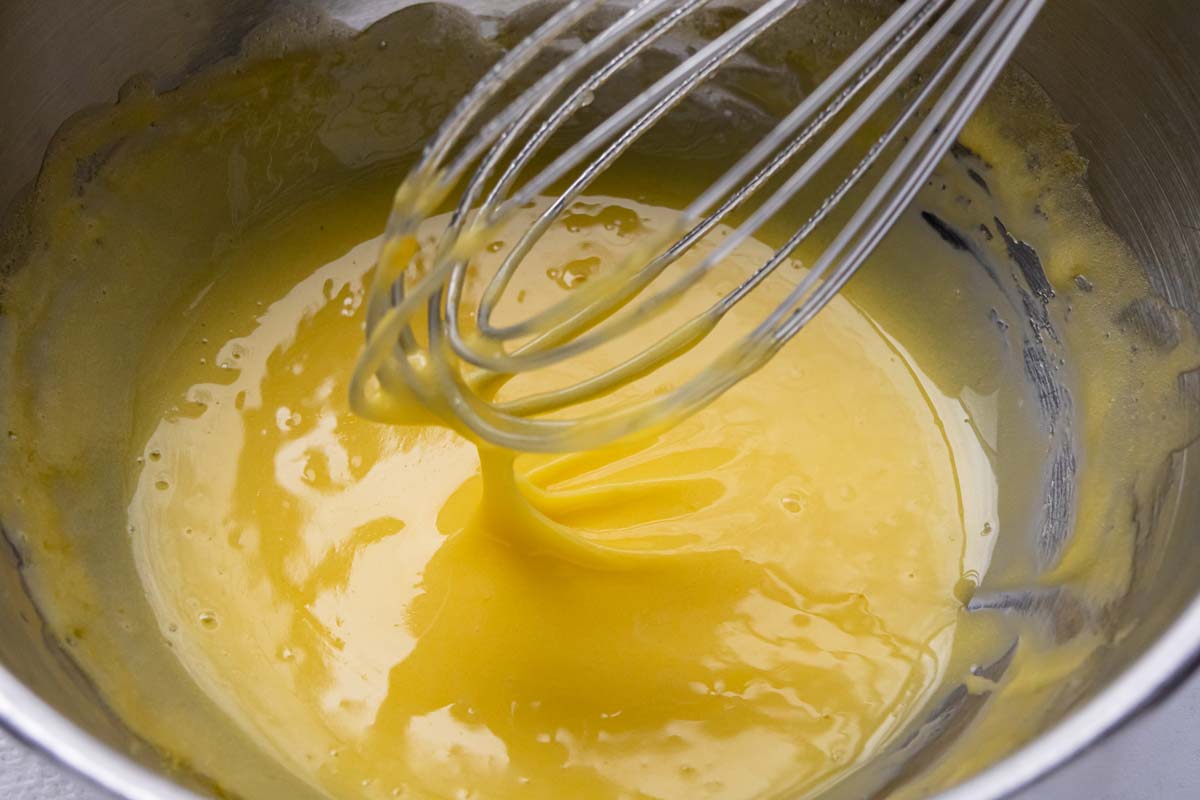
Once all the butter is added, whisk in the tomato paste, water, hot sauce, and some salt to season.
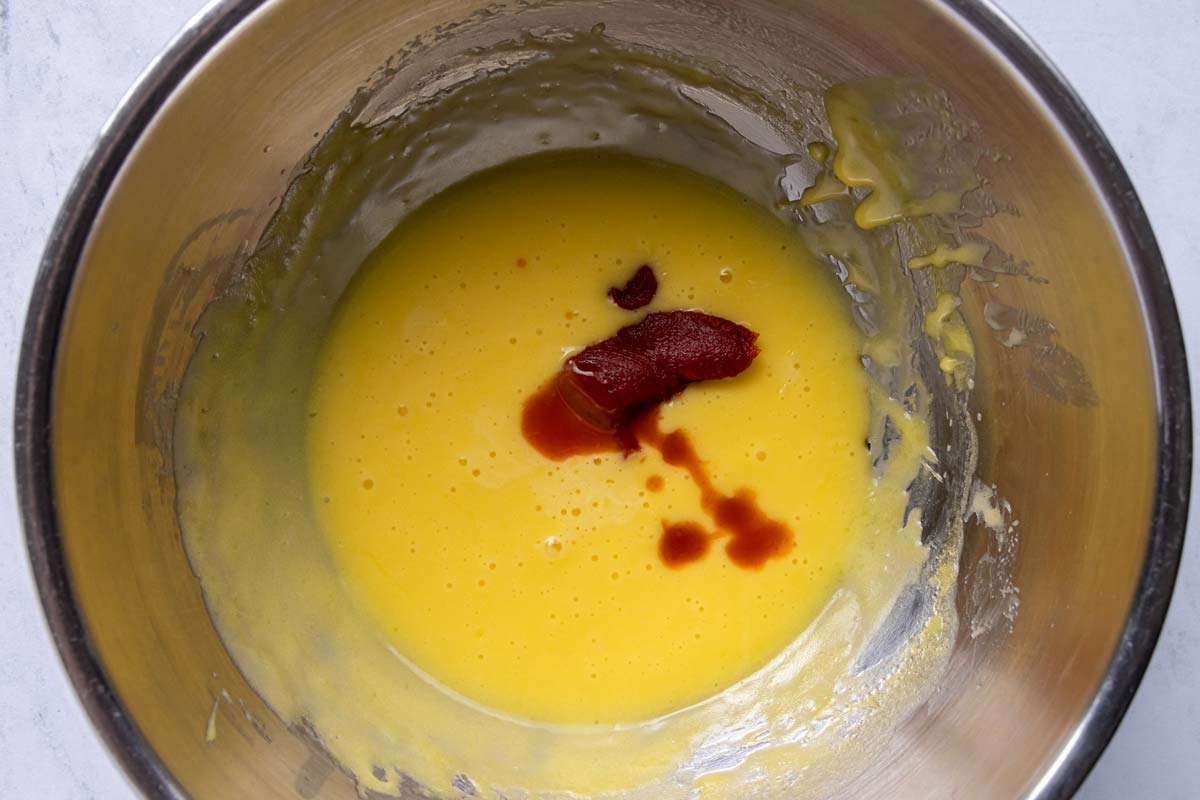
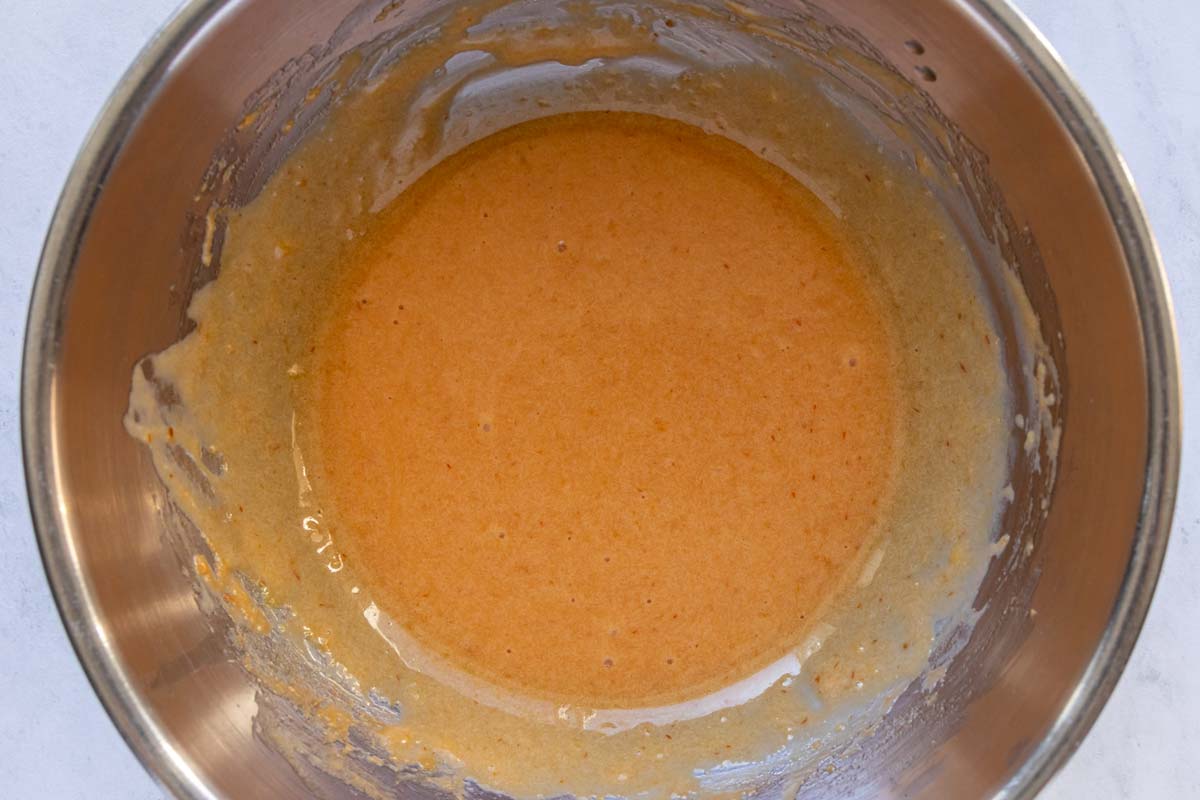
Turn off the heat on the double boiler but keep the sauce warm until ready to serve. If it breaks or thickens too much while hanging out in the double boiler, whisk in a little hot water and it should re-emulsify/thin back out.
Cook the breaded artichokes
Set another paper towel-lined plate next to the stove.
Heat 1 to 2 inches of oil in a small Dutch oven or deep-fryer to a temperature of 350°F/175°C. Add the breaded artichoke bottoms and fry for about 3 minutes, flipping over halfway through, or until crispy and lightly browned.
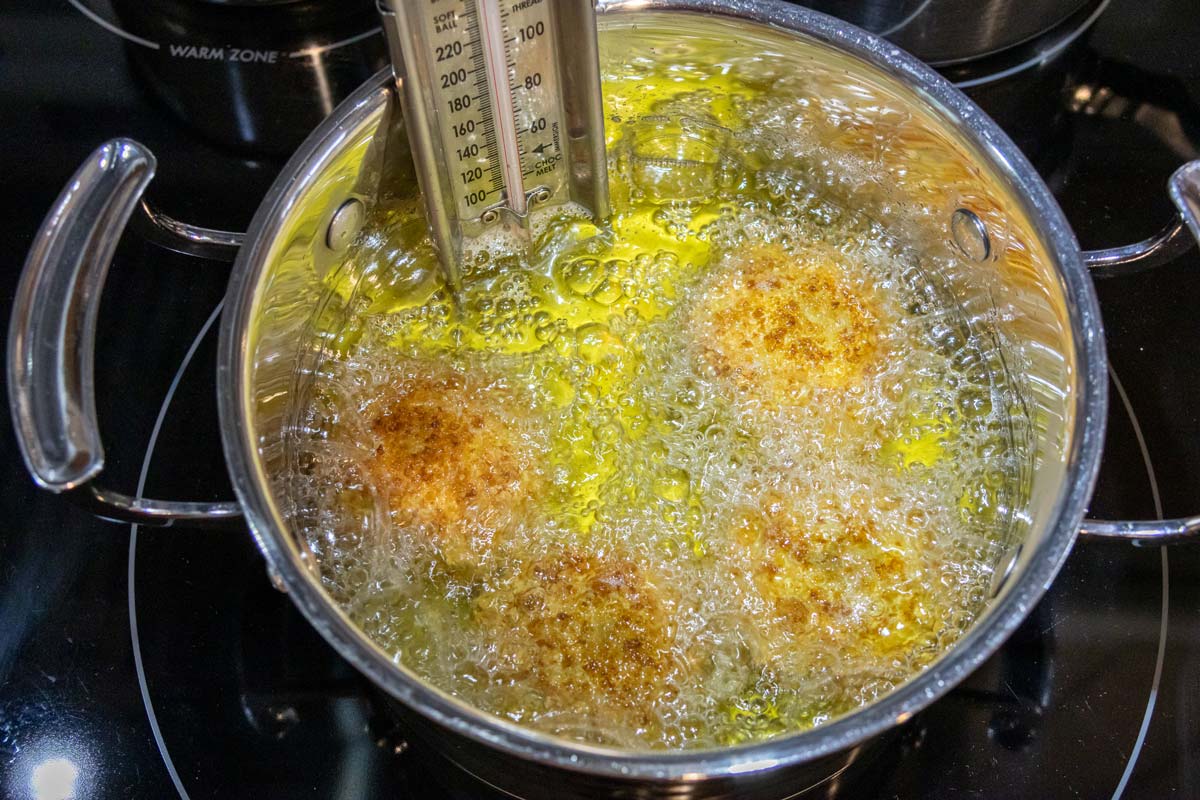
Remove with a spider skimmer or large slotted spoon to the paper towel-lined plate and season with salt on both sides.
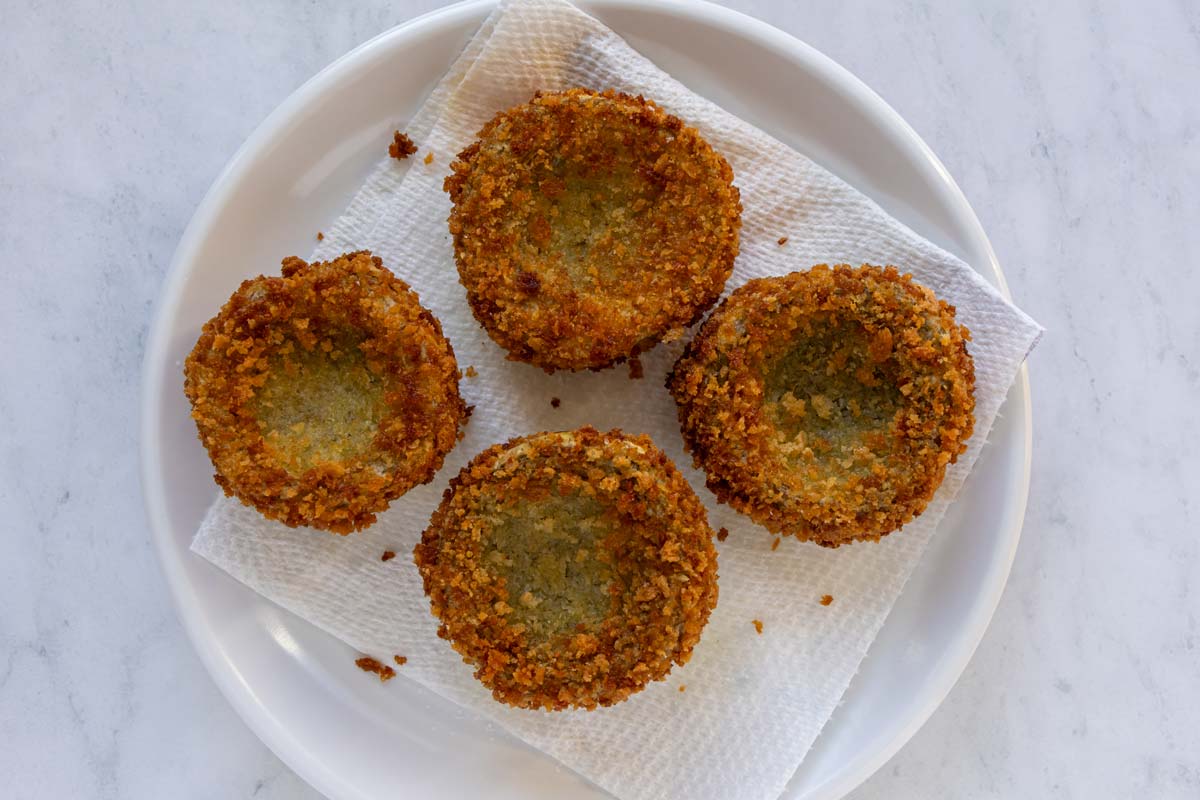
To keep them warm while cooking the eggs, you can put them on a small baking sheet in a 200°F/95°C oven briefly until ready to assemble.
Poach the eggs
Set another paper towel-lined plate next to the stove.
Bring a medium pot of water to a simmer and add the vinegar. Crack the eggs individually into small bowls, cups, or ramekins. Use a slotted spoon to stir the water clockwise to create a whirlpool effect. Gently but quickly add each of the eggs into the center of the whirlpool one at a time. Lower the bowls or cups right down to the water and tip each egg in.
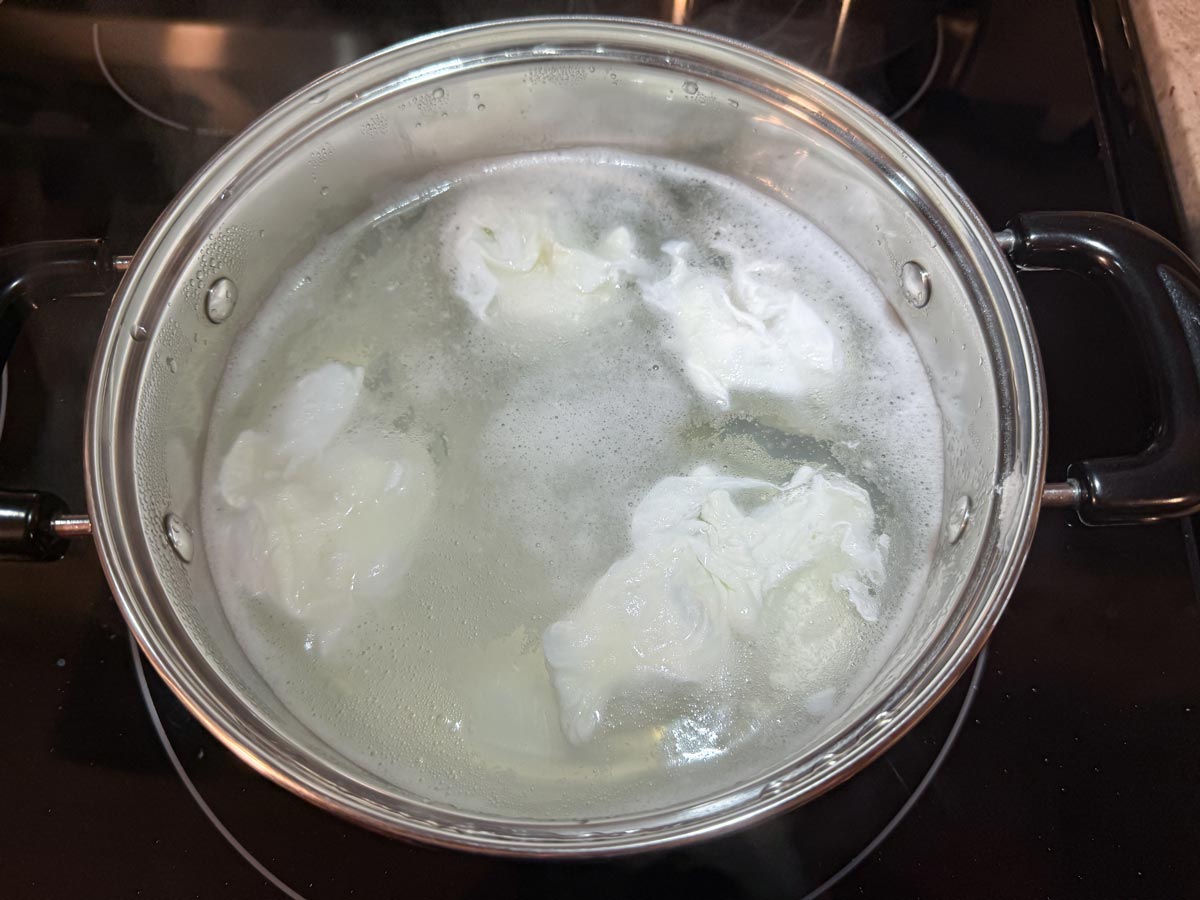
Let the eggs cook for about 3 to 5 minutes or to your desired doneness. (I prefer a 4 minute poached egg which yields a fully cooked white with a still-runny yolk). Transfer using the slotted spoon to the paper towel-lined plate to lightly drain.
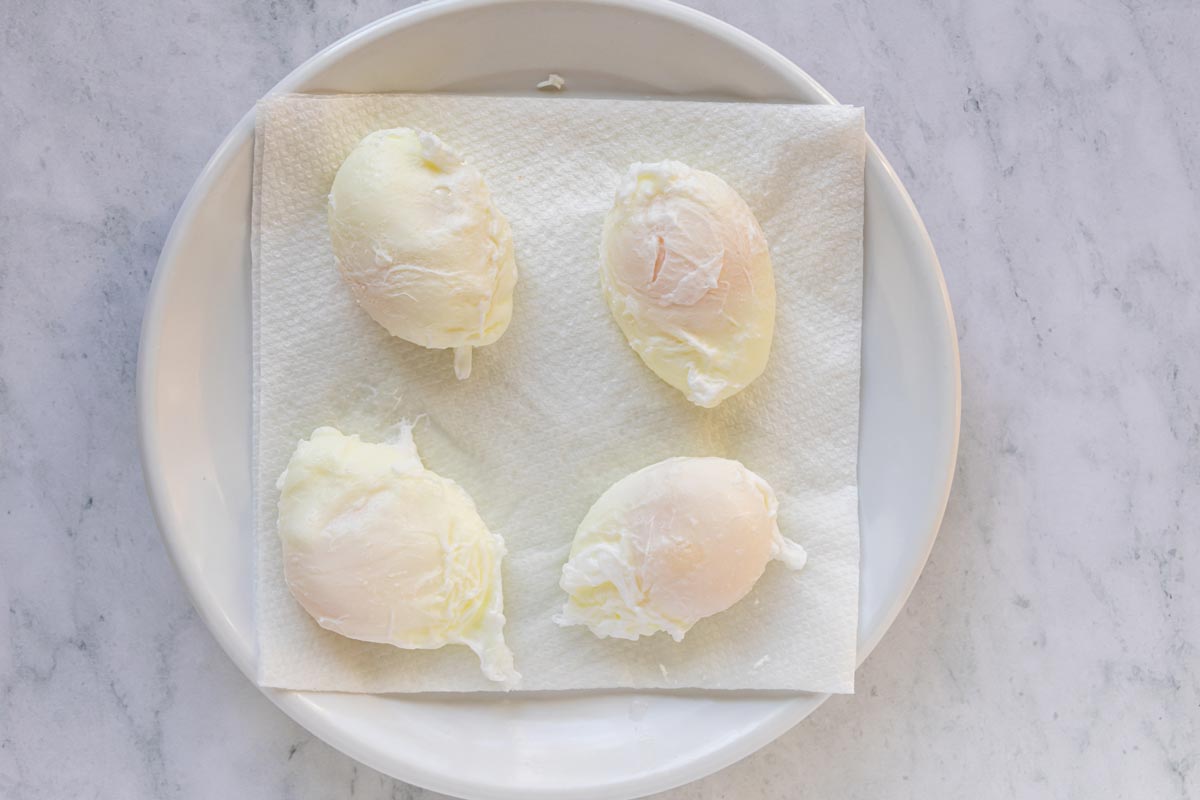
You can easily reheat the eggs right before serving by placing them back into simmering water to heat through.
Make the creamed spinach
In a small saucepan, heat the cream over medium to medium-high heat, stirring constantly, until reduced by half. This could take anywhere from 10 to 15 minutes, give or take. Timing depends on the pan size, pot material, gas vs electric stove, etc.
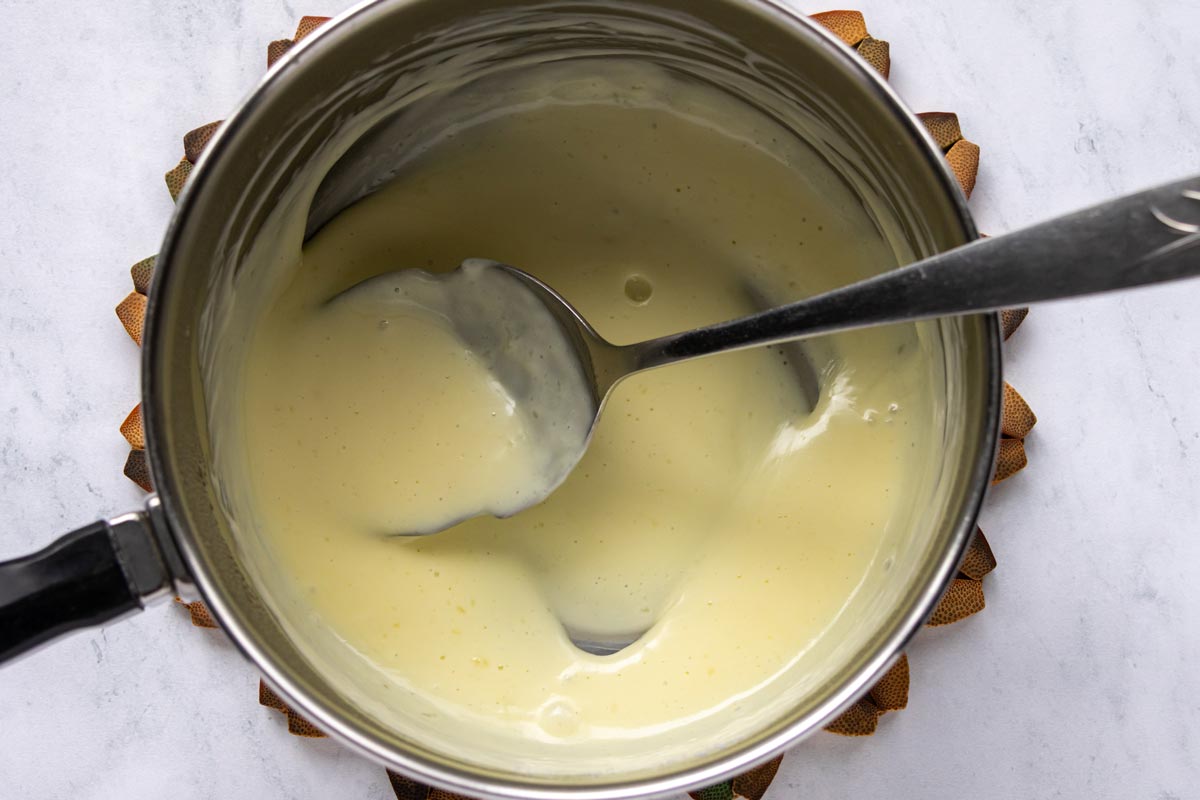
Stir in the parmesan and garlic, and set aside in a warm place, but off direct heat.
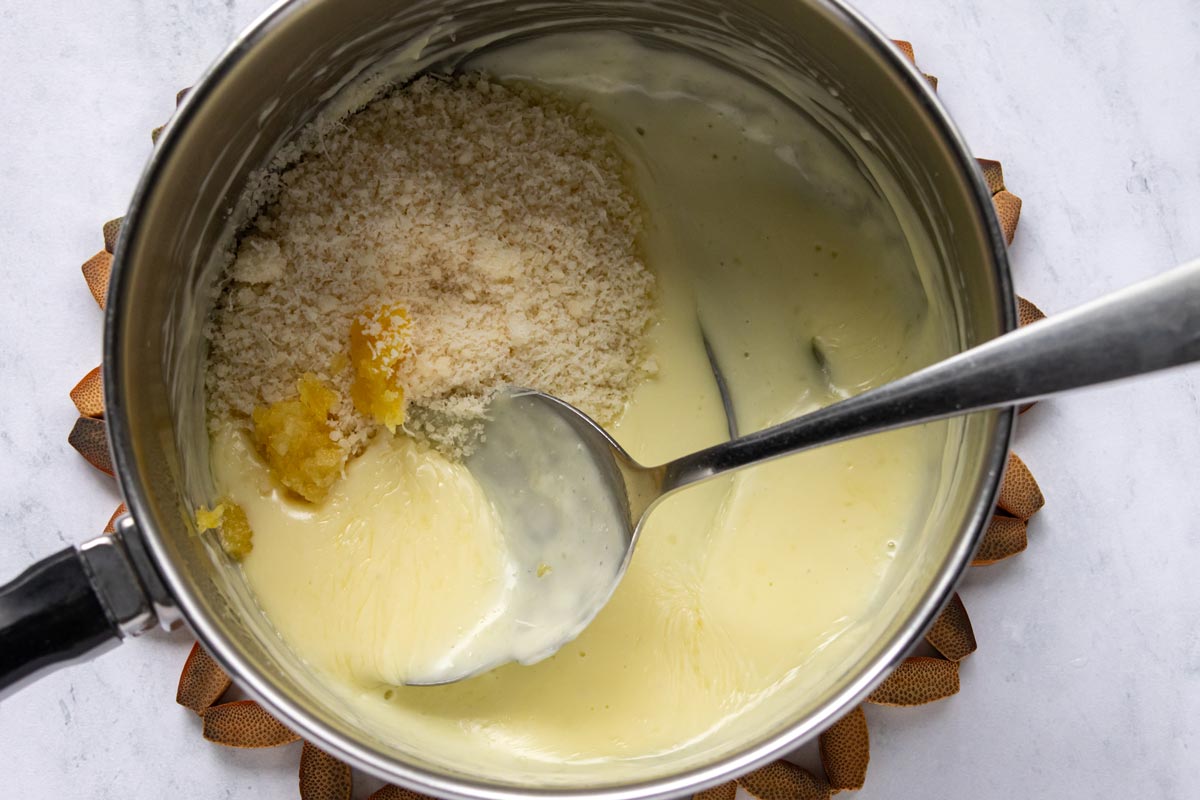
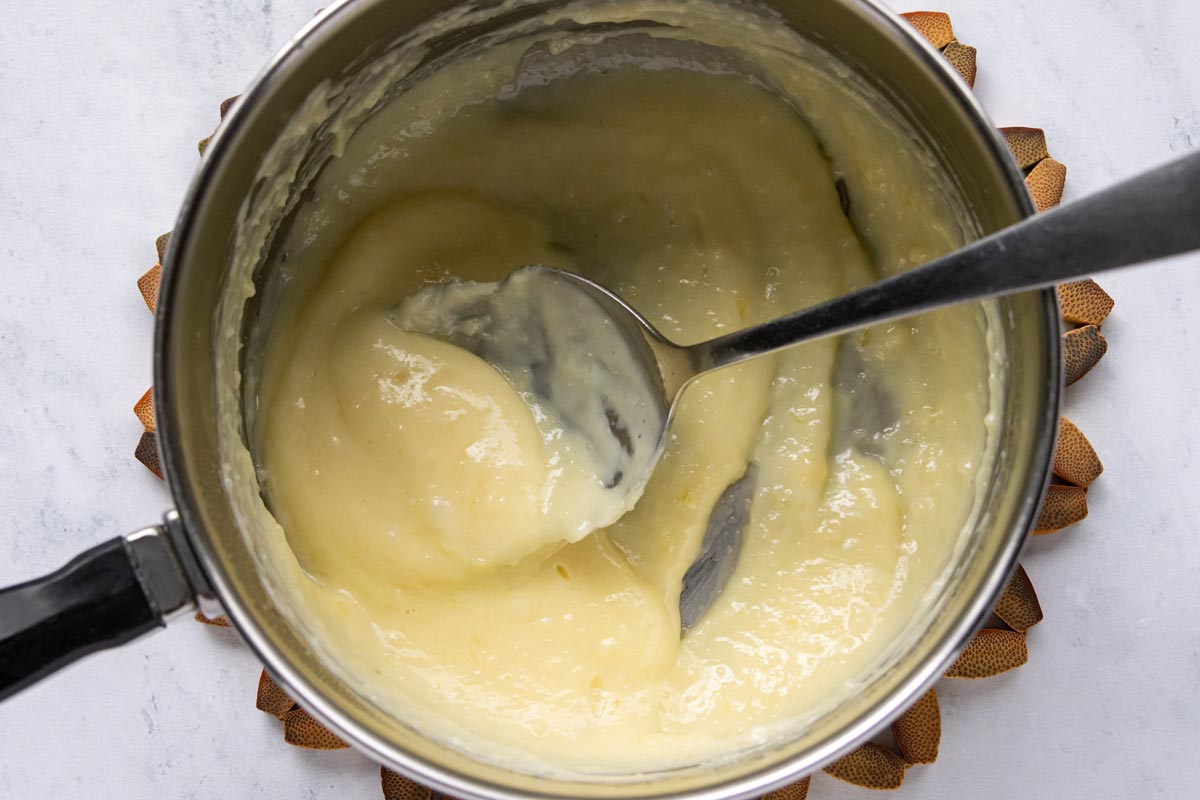
Set a paper towel-lined plate next to the stove. Heat the butter in a skillet until foaming, then add the spinach. Stir constantly until the spinach has just wilted, about 4 minutes.
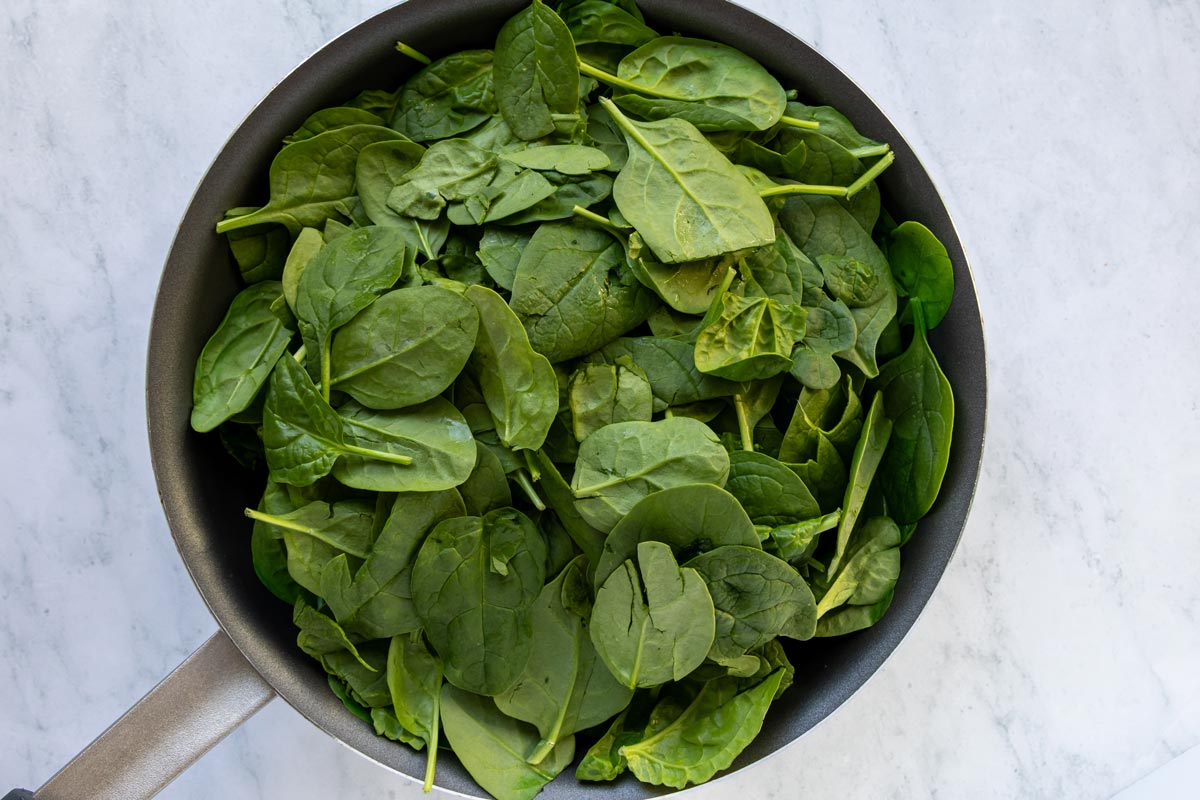
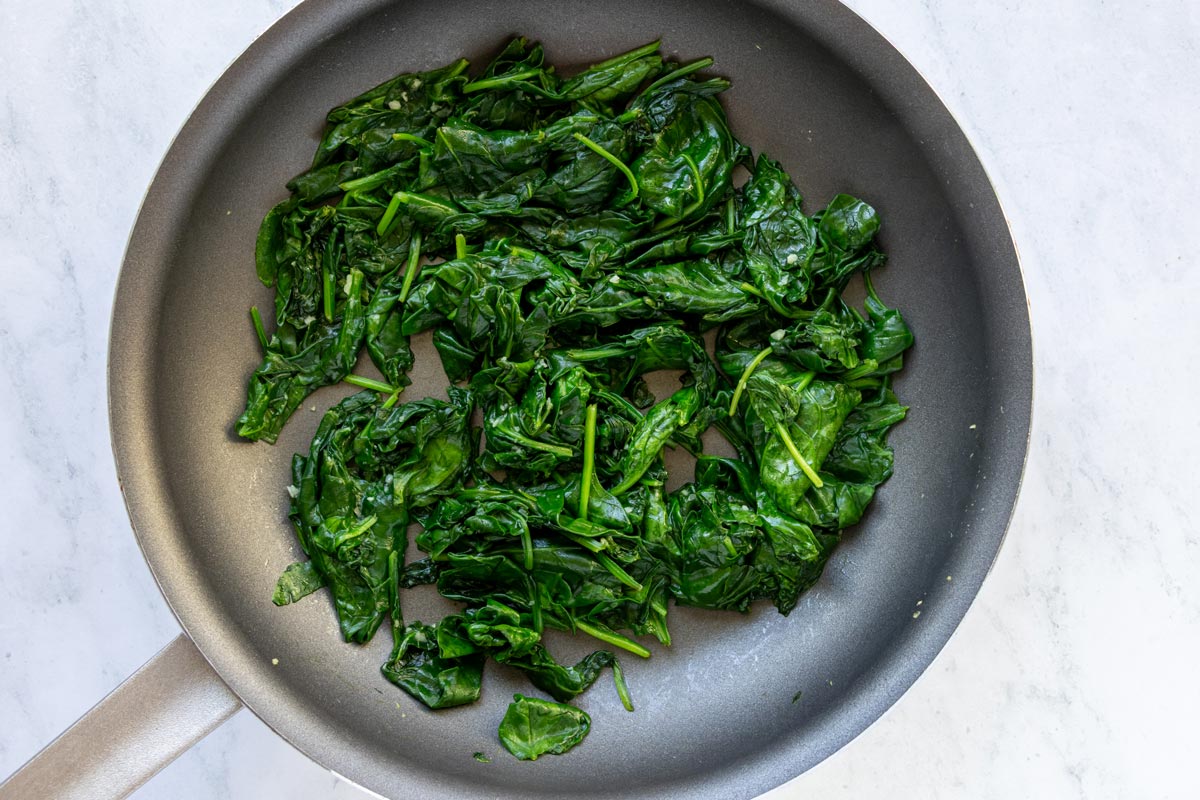
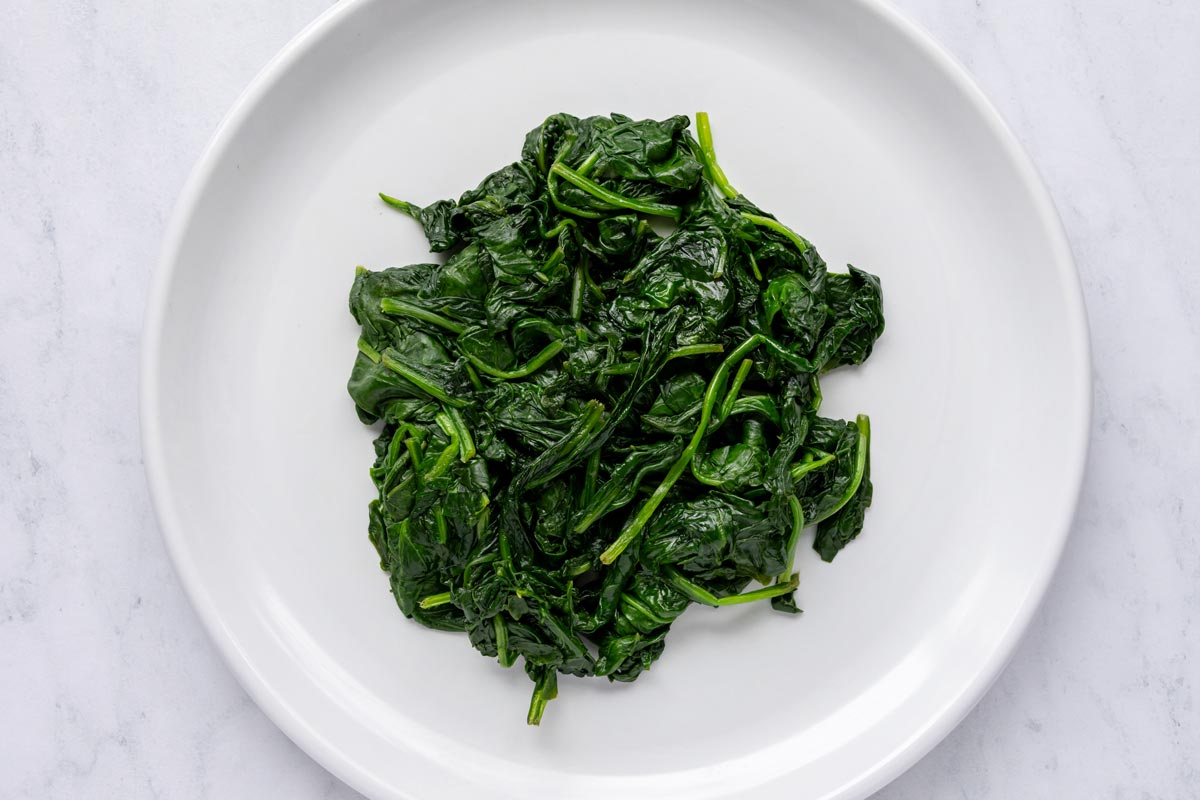
Transfer the spinach to the paper towel-lined plate to remove excess moisture from the spinach. Squeeze as much of the liquid out of the spinach as you can, discarding the liquid.
Transfer the spinach to the parmesan cream, stirring to combine. Taste and adjust seasoning as needed. Keep warm until ready to serve.
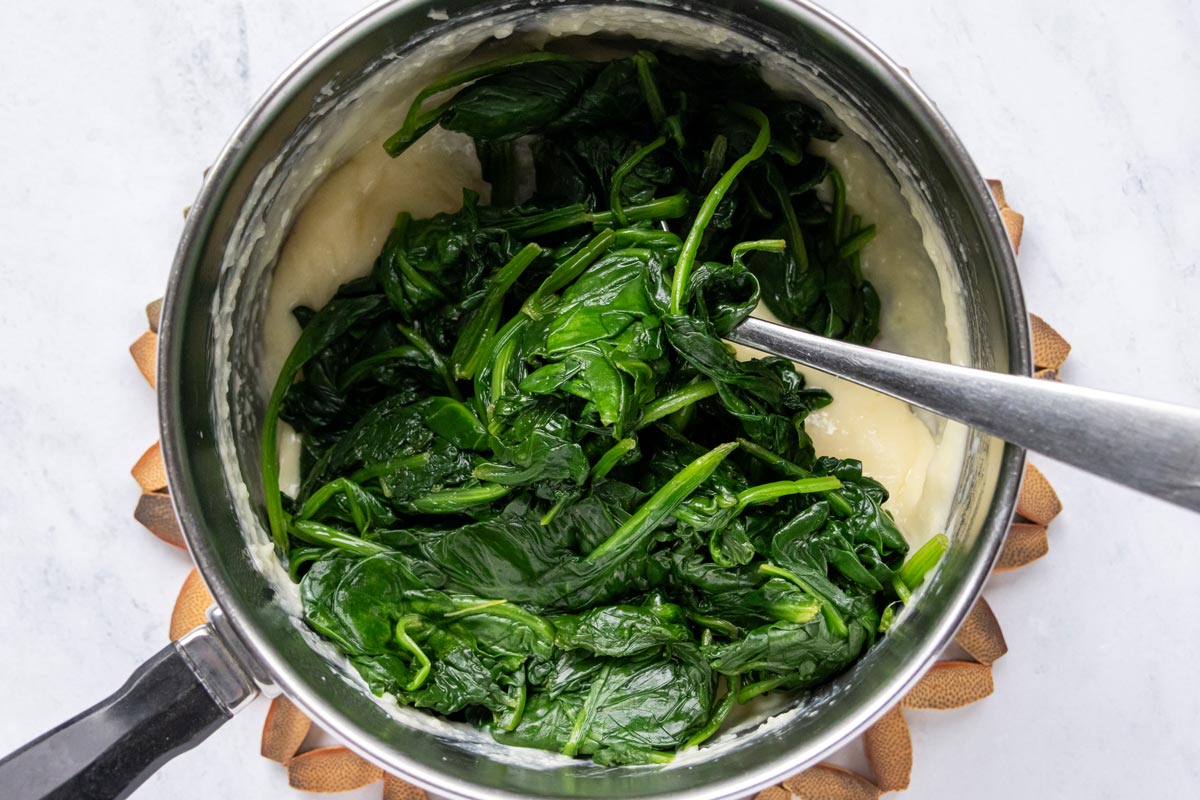
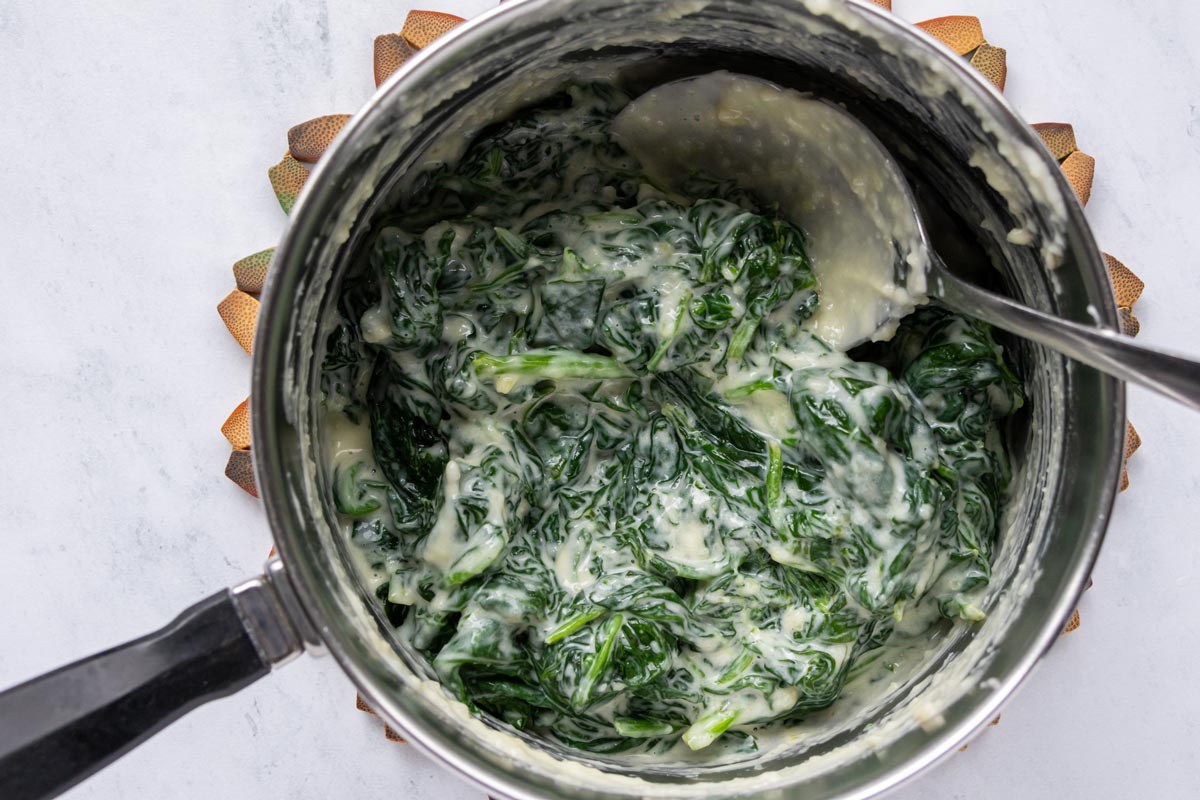
Note that if it sits too long, it can get watery from the spinach releasing more juices. You'll see in my finished photos the spinach looks juicier than it does in the photo of the creamed spinach above. This was because I let it sit and stay warm a bit too long before plating. Still delicious!
Assemble Eggs Sardou
Place ½ the creamed spinach in the center of 2 plates creating an oval or oblong shape. Then place 2 fried artichoke bottoms on top of the spinach, side by side, with the cup-side facing up. Arrange a poached egg on top of each artichoke, and finally spoon some sauce Choron over the top of each egg. Garnish with paprika and/or chervil, parsley, or chives and serve immediately.
Please scroll to the bottom of the post for the full recipe (in a printable recipe card) including ingredient amounts and detailed instructions.
Expert tips
Make ahead: Although you can't exactly make eggs sardou in advance, you can make parts of it in advance. This can help break up the work and help with your timing to prepare this otherwise complicated brunch dish.
- Bread the artichoke bottoms and refrigerate them for several hours before frying them.
- Keep fried artichoke bottoms warm in a 200°F/95°C oven while preparing other components.
- Keep the prepared sauce choron warm over a double boiler for about an hour, stirring it gently periodically. Cover the bowl with foil or plastic wrap to keep it warm, but keep the heat turned off. You can occasionally turn it back on just to keep the bowl from getting cold. If it thickens too much from sitting, whisk in a little hot water. You could also keep it warm in a preheated wide mouth thermos (fill the thermos with boiling water first, then empty it out before adding the sauce to keep warm).
- Poach the eggs up to several days in advance and transfer immediately to a bowl of ice water. Store them completely covered with cold water in a sealed container in the fridge. Then when ready to serve, heat them back up by adding them to simmering water for a minute or two or until heated through.
- Cook the components for the creamed spinach in advance. Gently reheat them before serving, draining/squeezing the spinach again if needed. Combine them before plating.
- Even if you plan to prepare all the components the day of, you can still set out all your pots, pans, and kitchen tools the night before. You'll need:
- 1 small saucepan and 1 skillet for making the creamed spinach
- 1 small Dutch oven or pot and a deep-fry thermometer (or a deep-fryer) plus a spider skimmer or slotted spoon for frying the breaded artichoke bottoms
- 1 double boiler (aka 1 saucepan or pot and a metal or glass bowl that fits over the top) plus a whisk for making the sauce Choron
- 1 wide pot plus a large slotted spoon for poaching the eggs
Other recipes you may like
- Galette Complète (Ham, Egg, and Cheese Buckwheat Crêpe)
- Nasi Goreng (Indonesian Fried Rice with a Fried Egg)
- Uitsmijter (Dutch Ham, Gouda and Egg Sandwich)
- Strammer Max (German Open-Faced Ham Sandwich)
- Hawaiian Loco Moco (Hamburger Steak with Gravy)
- Chilaquiles Rojos con Huevos (Red Chilaquiles with Eggs)
- Fish Hash
- Eggs Shanghai (Asian Inspired Eggs Benedict)
Tried this recipe? Please leave a star ⭐️⭐️⭐️⭐️⭐️ rating in the recipe card below and/or a review in the comments section further down the page. You can also follow me on social media on Facebook, Instagram, and Pinterest!
Eggs Sardou (New Orleans-Style Poached Eggs with Creamed Spinach and Artichokes)
Ingredients
Artichokes:
- 4 artichoke bottoms fresh (prepped and cooked), frozen (thawed and blotted dry), or canned (drained and blotted dry)
- ¼ cup (30 grams) all-purpose flour
- 1 large egg beaten
- ½ cup (40 grams) panko bread crumbs
- Neutral oil for frying
- Kosher salt
Sauce Choron:
- 2 large egg yolks
- 1 teaspoon fresh lemon juice
- ½ teaspoon white vinegar
- 4 tablespoons (2 ounces / 56 grams) unsalted butter melted and preferably clarified
- ½ tablespoon tomato paste
- ½ tablespoon water or as needed
- 1 to 2 dashes hot sauce
- Kosher salt
Eggs:
- 1 tablespoon white vinegar
- 4 large eggs
Creamed Spinach:
- ½ cup heavy cream
- ¼ cup (25 grams) grated Parmigiano-Reggiano
- 1 clove garlic minced or crushed
- ½ tablespoon butter
- 8 ounces (225 grams) fresh baby spinach or mature spinach trimmed and roughly chopped if the latter
- Kosher salt and freshly ground black pepper
Garnish:
- Paprika and/or chervil, parsley, or chives, for garnish
Instructions
- Bread the artichokes. Blot artichoke bottoms to make sure they are dry. Place flour, beaten egg, and panko in three shallow dishes to set up a breading station. Dredge each artichoke bottom first in flour, shaking off excess, then in the egg (you may want to use a spoon to scoop some egg into the cup of the artichoke bottom, then tilt it around to get coverage over the entire concave part), and finally in the panko. Set them aside on a plate and refrigerate until ready to fry them.
- Make the sauce Choron. Add water to the saucepan and heat until simmering. Select a stainless steel or glass bowl that can rest over the top of a saucepan to create a double boiler. Whisk together egg yolks, lemon juice, and vinegar in the bowl until light and foamy, about a minute.
- Set the bowl on top of the simmering saucepan of water, not allowing the hot water to touch the bottom of the bowl. Continue to whisk the egg mixture over the double boiler for 1 to 2 minutes, until it is slightly thickened.
- Remove the bowl from the heat and slowly start drizzling in the melted (preferably clarified) butter, a little at a time, whisking constantly but not too aggressively. Move the bowl back and forth to the double boiler as needed to continue to heat it gently, as needed, but remove it regularly to give it breaks from the heat.
- Continue drizzling in the butter, at first with a slow pace but as the mixture begins to thicken more, you can add it a little faster. Once all the butter is added, whisk in the tomato paste, water, hot sauce, and some salt to season. Turn off the heat on the double boiler but keep the sauce warm until ready to serve. If it breaks or thickens too much while hanging out in the double boiler, whisk in a little hot water and it should re-emulsify/thin back out.
- Cook the breaded artichokes. Set another paper towel-lined plate next to the stove. Heat 1 to 2 inches of oil in a small Dutch oven or deep-fryer to a temperature of 350°F/175°C. Add the breaded artichoke bottoms and fry for about 3 minutes, flipping over halfway through, or until crispy and lightly browned. Remove with a spider skimmer or large slotted spoon to the paper towel-lined plate and season with salt on both sides. To keep them warm while cooking the eggs, you can put them on a small baking sheet in a 200°F/95°C oven briefly until ready to assemble.
- Poach the eggs. Set another paper towel-lined plate next to the stove. Bring a medium pot of water to a simmer and add the vinegar. Crack the eggs individually into small bowls, cups, or ramekins. Use a slotted spoon to stir the water clockwise to create a whirlpool effect and gently but quickly add each of the eggs into the center of the whirlpool one at a time (lower the bowls or cups right down to the water and tip each egg in).
- Let the eggs cook for about 3 to 5 minutes or to your desired doneness. (I prefer a 4 minute poached egg which yields a fully cooked white with a still-runny yolk). Transfer using the slotted spoon to the paper towel-lined plate to lightly drain. You can easily reheat the eggs right before serving by placing them back into simmering water to heat through.
- Make the creamed spinach. In a small saucepan, heat the cream over medium to medium-high heat, stirring constantly, until reduced by half. This could take anywhere from 10 to 15 minutes, give or take, depending on the pan size, pot material, gas vs electric stove, etc. Stir in the parmesan and garlic, and set aside in a warm place, but off direct heat.
- Set a paper towel-lined plate next to the stove. Heat the butter in a skillet until foaming, then add the spinach. Stir constantly until the spinach has just wilted, about 4 minutes.
- Transfer the spinach to the paper towel-lined plate to remove excess moisture from the spinach. Squeeze as much of the liquid out of the spinach as you can, discarding the liquid.
- Transfer the spinach to the parmesan cream, stirring to combine. Taste and adjust seasoning with salt and pepper as needed. Keep warm until ready to serve. If you make this too far in advance, the sauce can get watery from the spinach continuing to release its juices while it sits.
- Assemble Eggs Sardou. Place ½ the creamed spinach in the center of 2 plates creating an oval or oblong shape. Place 2 fried artichoke bottoms on top of the spinach, side by side, with the cup-side facing up. Arrange a poached egg on top of each artichoke, and finally spoon some sauce Choron over the top of each egg. Garnish with paprika and/or chervil, parsley, or chives and serve immediately.
Notes
- Adapted from Bennan's New Orleans
- Artichoke Bottoms:
- Trader Joe's sells frozen artichoke bottoms occasionally/seasonally. I was lucky enough to grab a few bags, but there are other brands you may be able to find.
- Frozen are preferential to using the canned variety, which will add more of a briny flavor, but you can still use canned artichoke bottoms in a pinch.
- Note that the recipe calls for artichoke bottoms and not artichoke hearts. The bottoms act as a sort of cup to hold the poached eggs. That said, the flavor between the two is identical. If you can't find the bottoms, use halved or quartered artichoke hearts to create a bed. In that case, you may want to skip the breading and frying step as it won't yield the same results with a more complicated breading surface.
- Clarified butter is preferable for making a stable and thick sauce. That said, you can make the sauce with regular melted butter but it's more likely to split. Here's a good trick for quick clarified butter:
- Melt the butter in a glass measuring cup in the microwave in short intervals (it can splatter if you do it for too long) until it's all melted, but don't stir.
- Let it sit for a several minutes to let the water and milk solids sink to the bottom naturally.
- If there is any foam on the surface, gently skim it off with a small spoon.
The pure fat should rise to the top with a bit of whitish watery liquid at the bottom of the measuring cup. - Drizzle the melted butter as you whisk the sauce, but when you see you are getting to the bottom with the water/milk solids slowly back off.
- You can add a bit more fat here and there but just avoid adding much of the whitish liquid at the bottom.
- Make ahead tips:
- Bread the artichoke bottoms and refrigerate them for several hours before frying them.
- Keep fried artichoke bottoms warm in a 200°F/95°C oven while preparing other components.
- Keep the prepared sauce choron warm over a double boiler for about an hour, stirring it gently periodically. Cover the bowl with foil or plastic wrap to keep it warm, but keep the heat turned off. You can occasionally turn it back on just to keep the bowl from getting cold. If it thickens too much from sitting, whisk in a little hot water. You could also keep it warm in a preheated wide mouth thermos (fill the thermos with boiling water first, then empty it out before adding the sauce to keep warm).
- Poach the eggs up to several days in advance and transfer immediately to a bowl of ice water. Store them completely covered with cold water in a sealed container in the fridge. Then when ready to serve, heat them back up by adding them to simmering water for a minute or two or until heated through.
- Cook the components for the creamed spinach in advance. Gently reheat them before serving, draining/squeezing the spinach again if needed. Combine them before plating.
Nutrition
*All nutritional information is based on third-party calculations and should be considered estimates. Actual nutritional content will vary with brands used, measuring methods, portion sizes and more.*


Comments
No Comments