
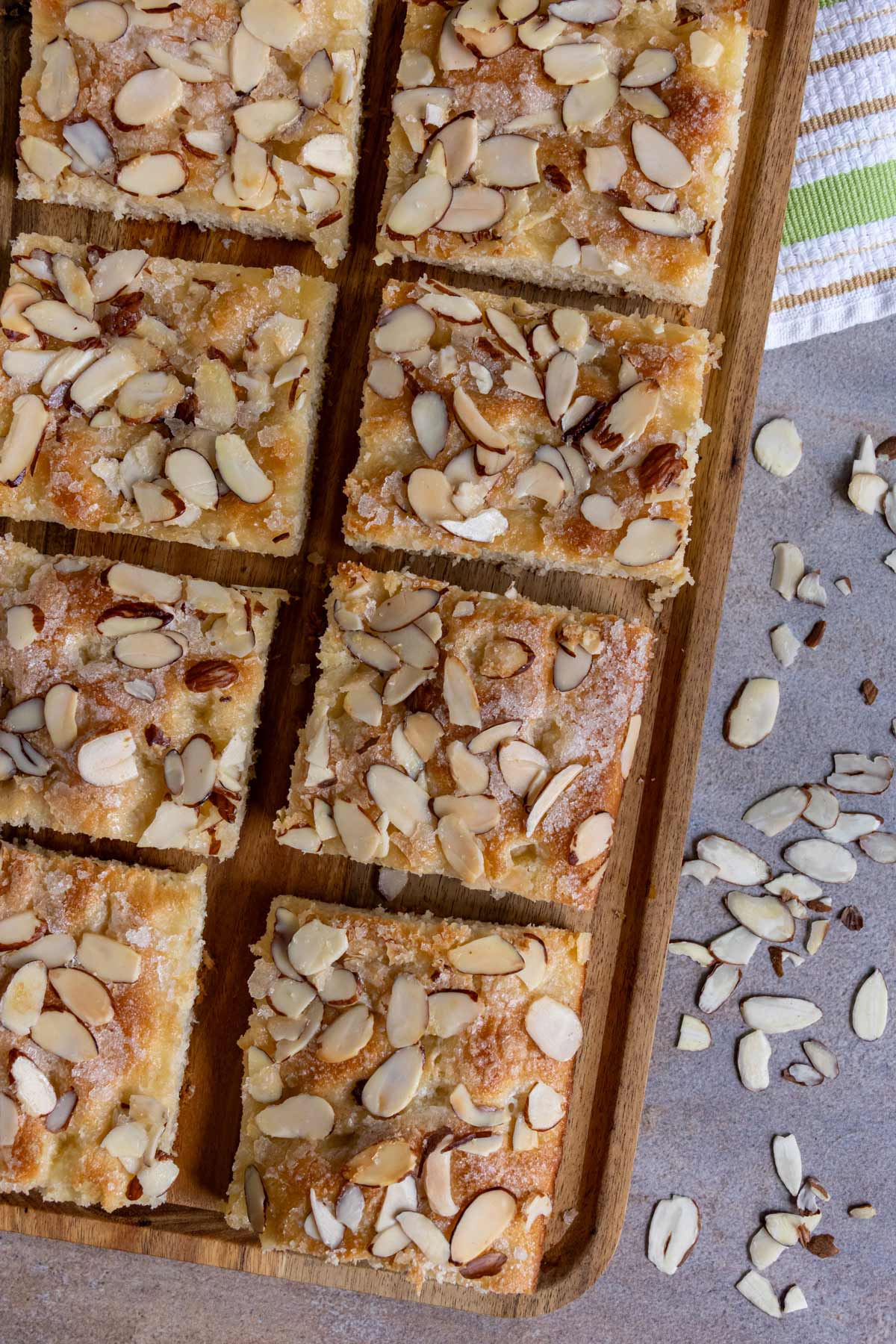
German Butter Cake, or Butterkuchen, is a fluffy and sweet yeasted sheet cake topped with buttery, sugary dimples and almonds. It's the perfect simple accompaniment for a cup of tea or coffee any time of day.
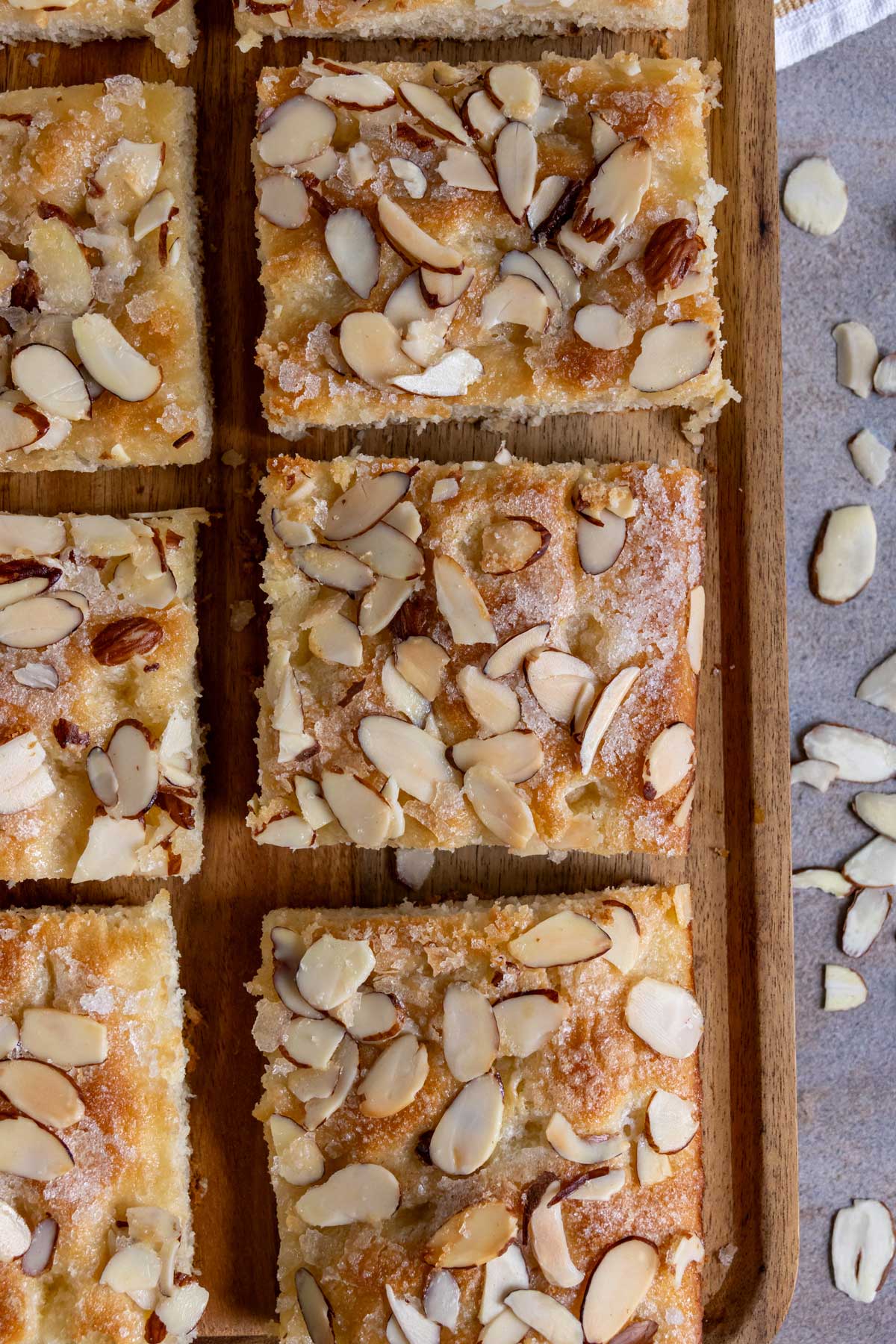
Butterkuchen is a beloved classic German cake typically associated with Bremen and Northern Germany. This "butter cake" is also referred to as Zuckerkuchen or "sugar cake." It's considerably simple to make, just an enriched sweet yeast dough spread into a rectangle.
The real magic happens at the end. Cold cubes of butter and pressed into "dimples" created along the surface of the dough. Sugar and sliced almonds are showered over the top before baking. The result is a crust of buttery, sugary goodness with toasty almonds spread over a tender and lightly sweet simple sheet cake… chef's kiss!
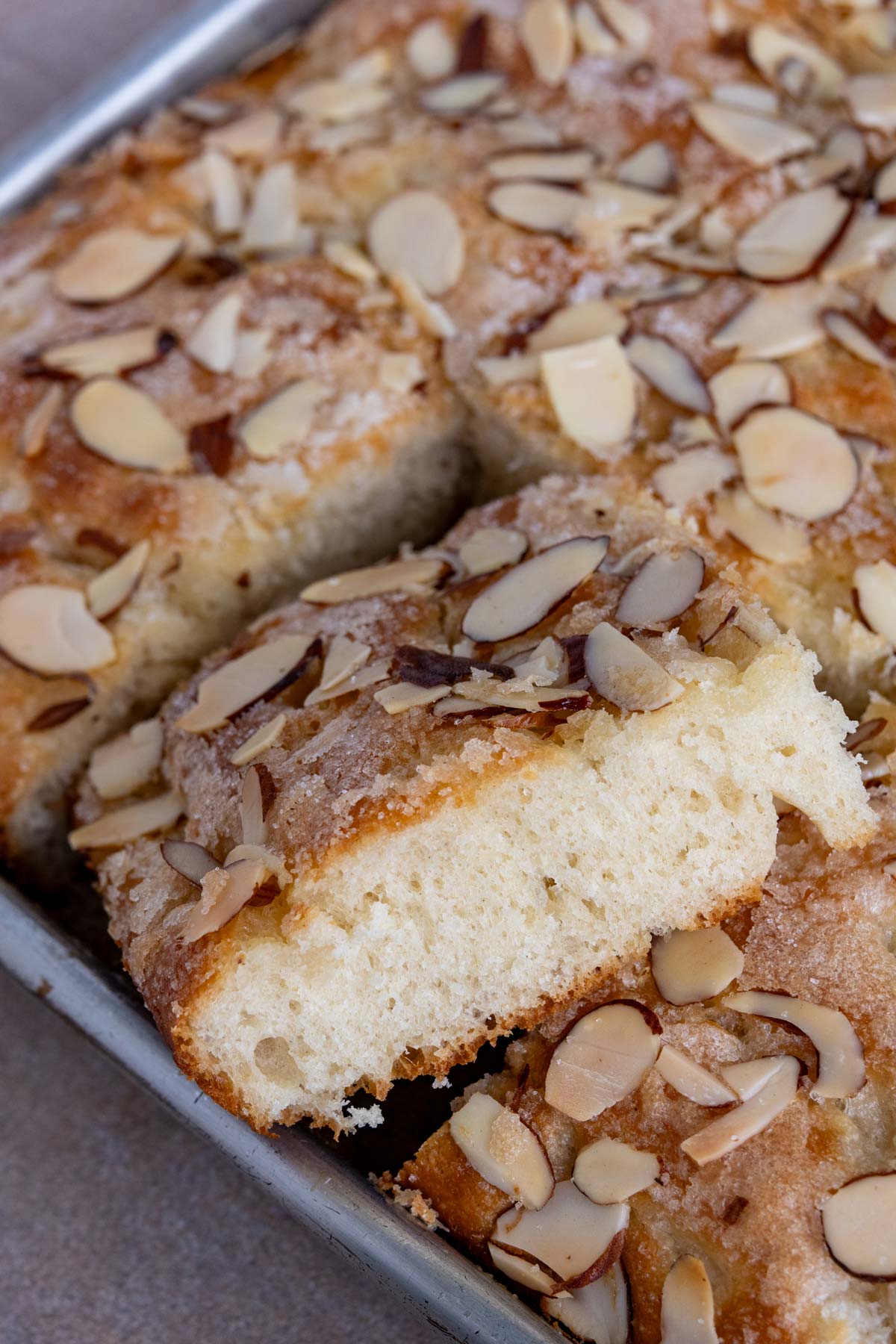
Many classic German cake recipes use a sweet yeasted dough, like a brioche dough, rather than a runny cake batter like you'd expect in the U.S. It's still considered a cake and not a bread. It's easy to make, even without much experience with yeast doughs.
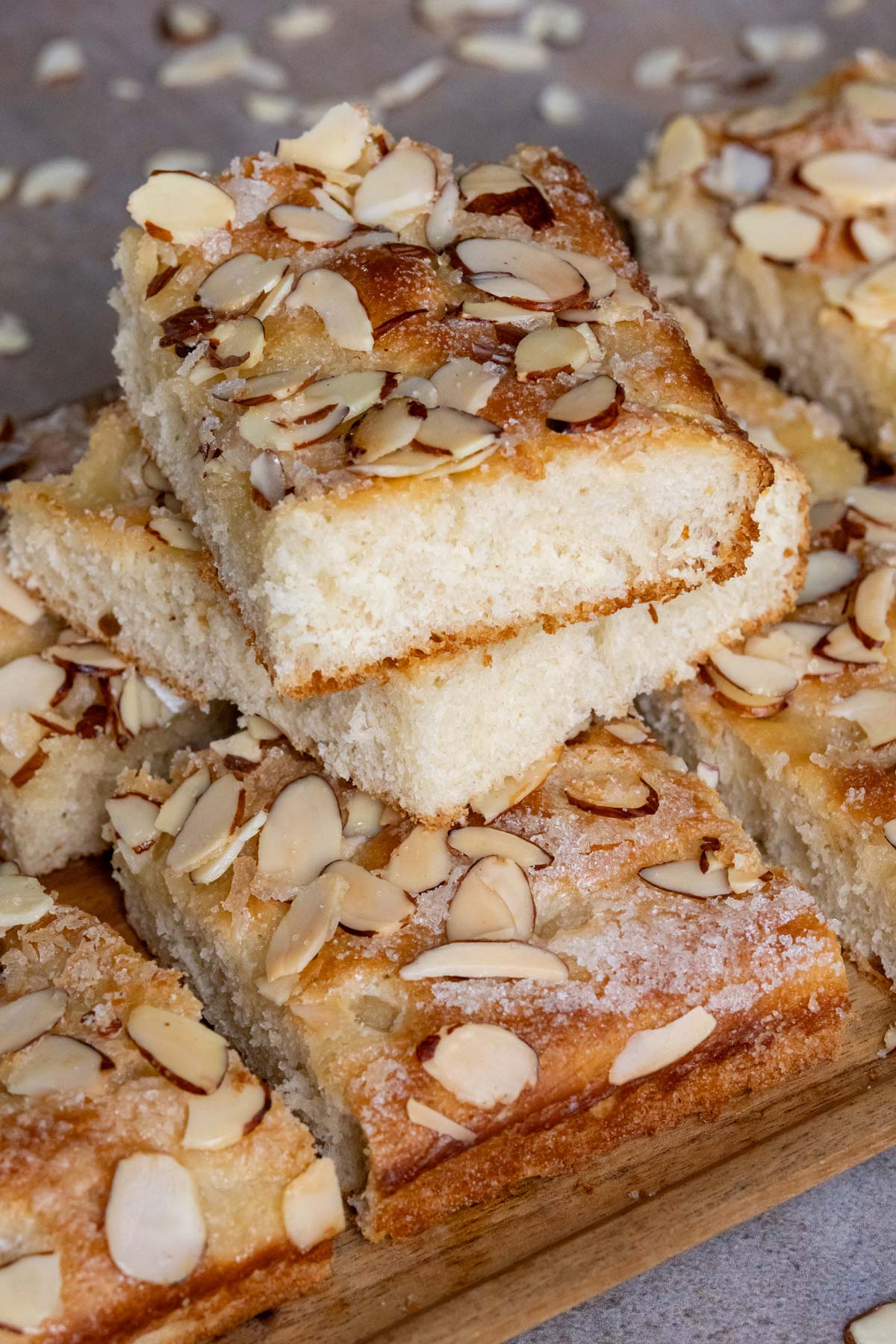
This butterkuchen is somehow both light and indulgent at the same time. It's fluffy and soft inside, and crisp and crunchy on top and around the edges. The butter flavor really shines though as well. You can see why this yeasted sheet cake is called both "butter cake" and "sugar cake" interchangeably.
Ingredient notes
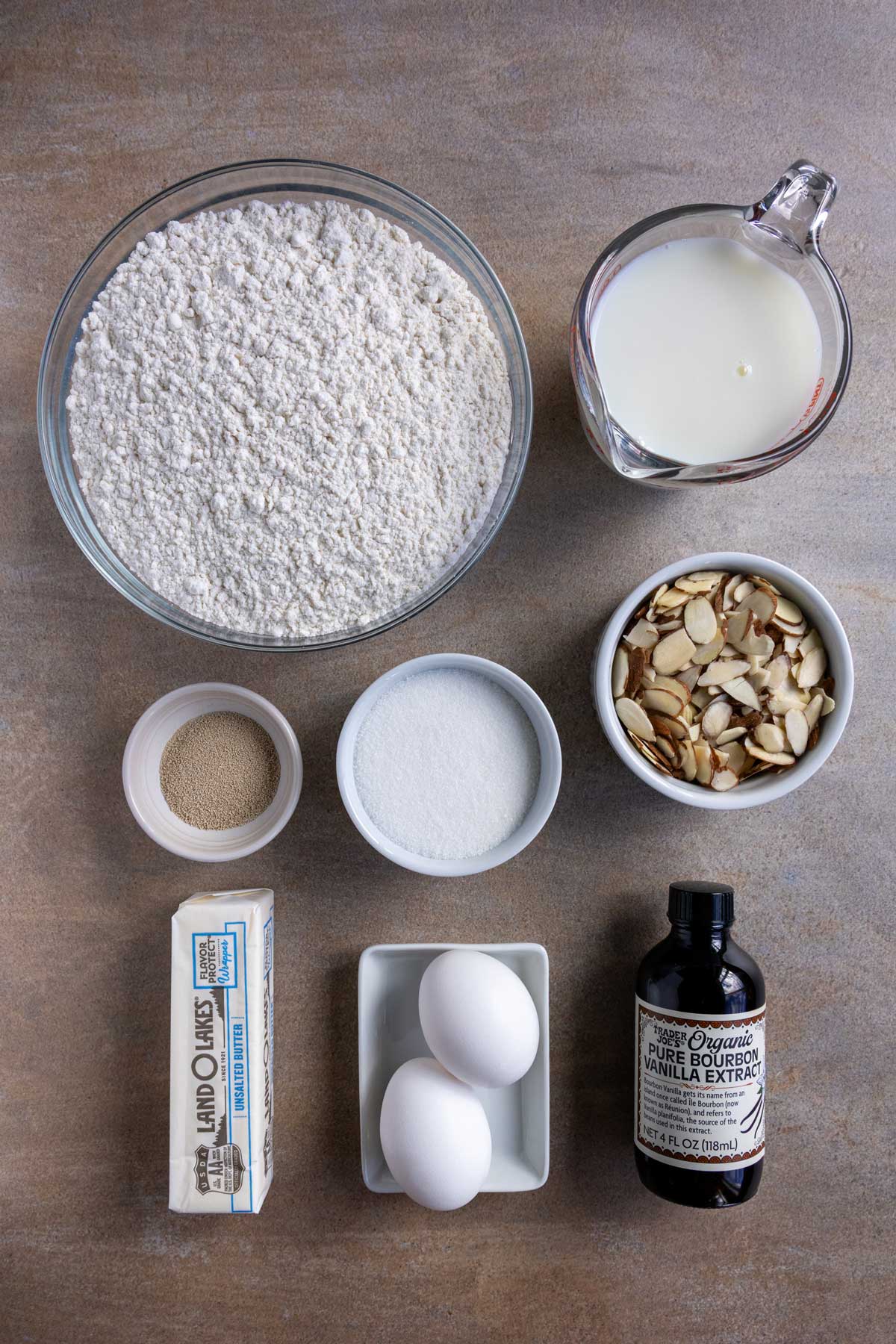
- Flour: Use all-purpose flour for this butterkuchen recipe.
- Yeast: I use active dry yeast in this recipe, although instant yeast can also work (no need to bloom it, you can just mix it right in with the other ingredients). You could also use 30 grams of fresh yeast. Regardless of the type of yeast, make sure it isn't expired and that the milk isn't too hot, as it will kill the yeast if it is.
- Sugar: This recipe uses plain white granulated sugar, both in the dough and also sprinkled on top before baking. For the sugar in the dough, you can replace it along with the vanilla extract 1:1 with vanilla sugar (Vanillinzucker) if you can find it.
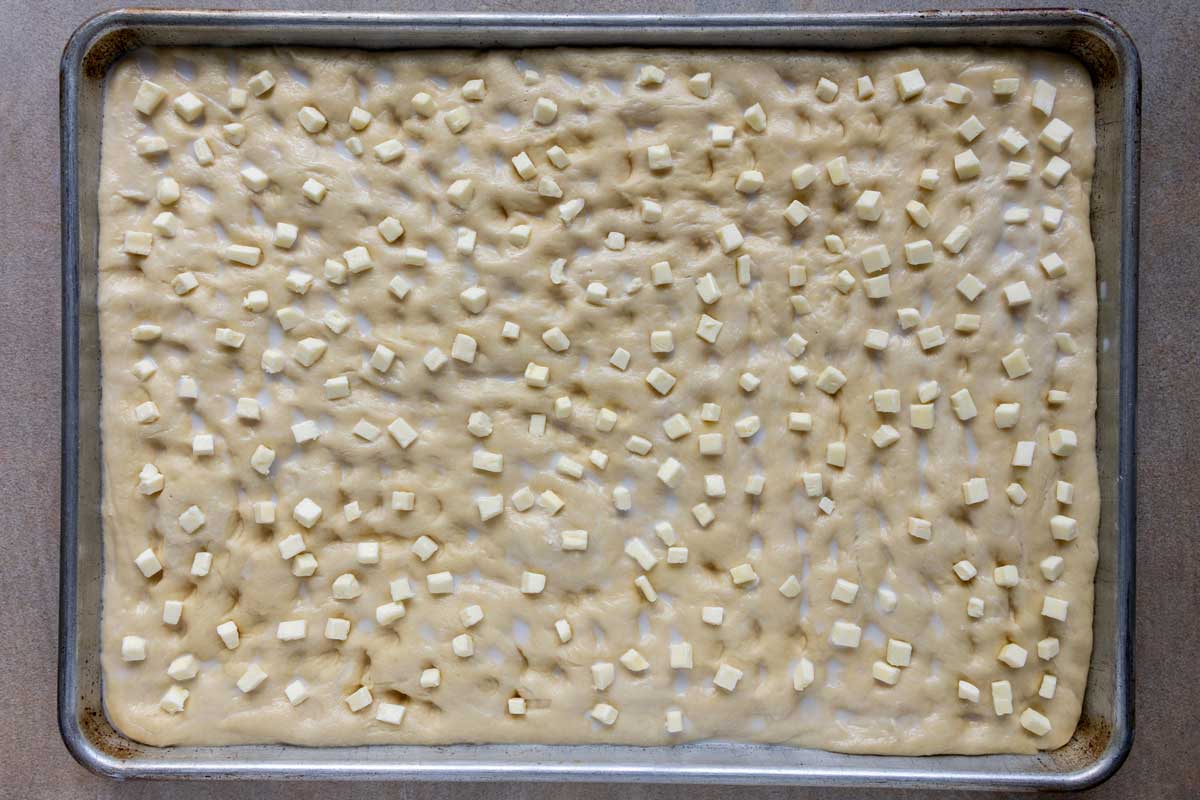
- Butter: This is the star of the show! There is some melted butter in the dough as well as cubes of butter dotted on top before baking. Cold butter is easier to cut into cubes- make sure to cut the pieces small enough so you can distribute them evenly in all the dimples.
- Almonds: Sliced almonds are a common topping for butterkuchen or zucherkuchen. They add a delightful nutty flavor as well as a crunchy texture to this otherwise simple yeasted sheet cake. That being said, if you have a nut allergy or simply don't like nuts, you can skip them.
How to make it
In the bowl of an electric stand mixer fitted with the dough hook, combine lukewarm milk, a tablespoon of the sugar, and active dry yeast. Let it sit for 5 to 10 minutes until foamy.
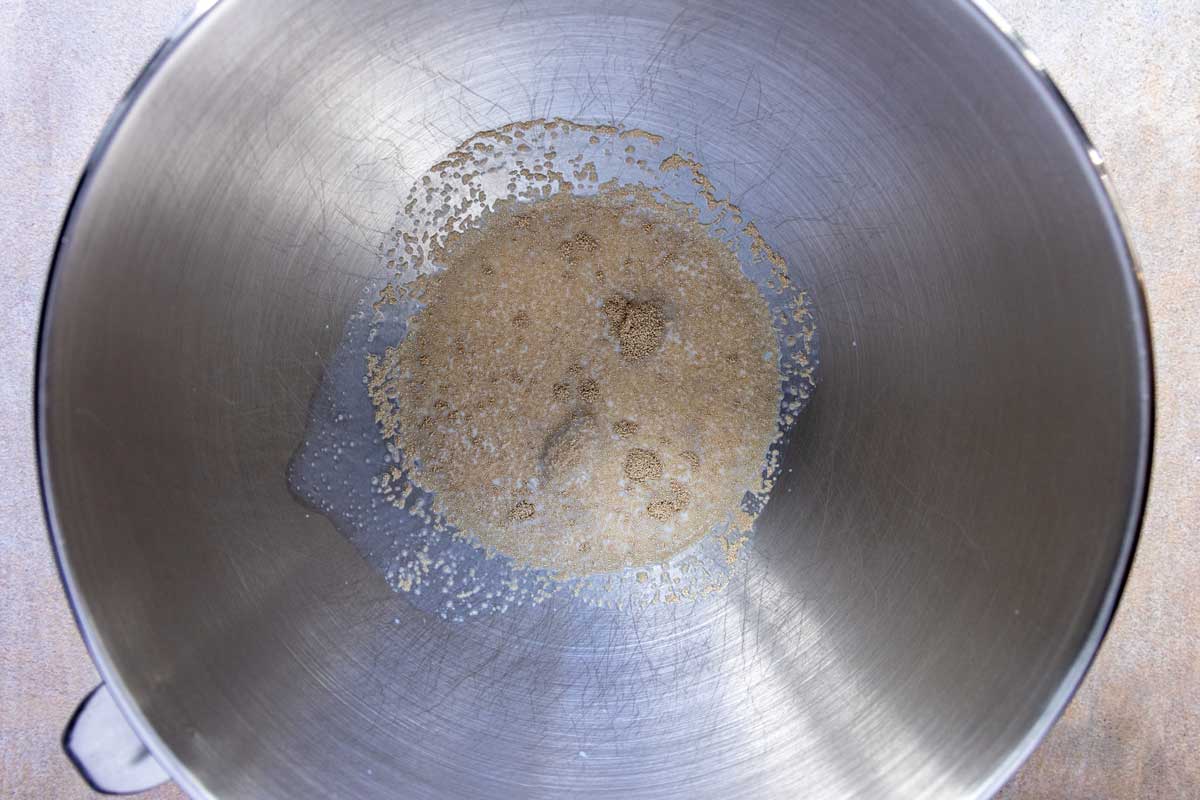
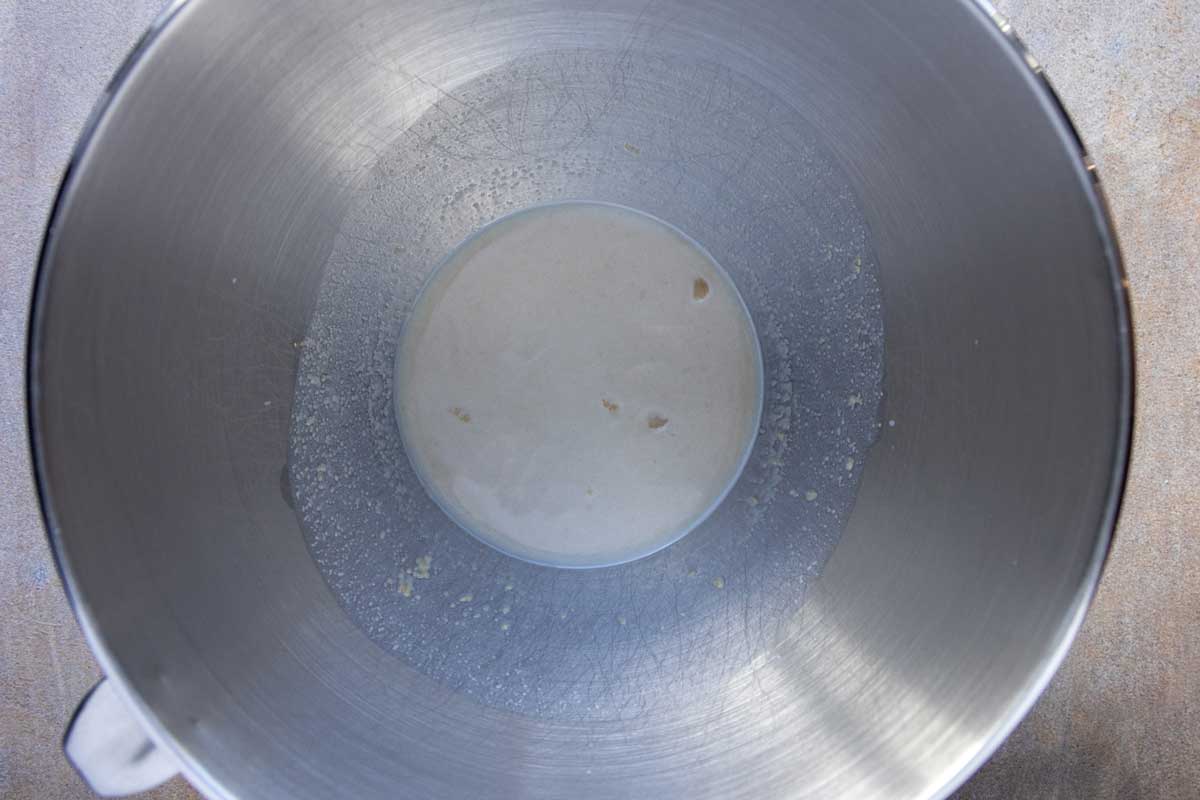
Add the remaining milk, sugar, flour, eggs, melted butter, and vanilla. Stir on low speed to combine, kneading for about 5 minutes until smooth and supple. The dough will still be soft and sticky.
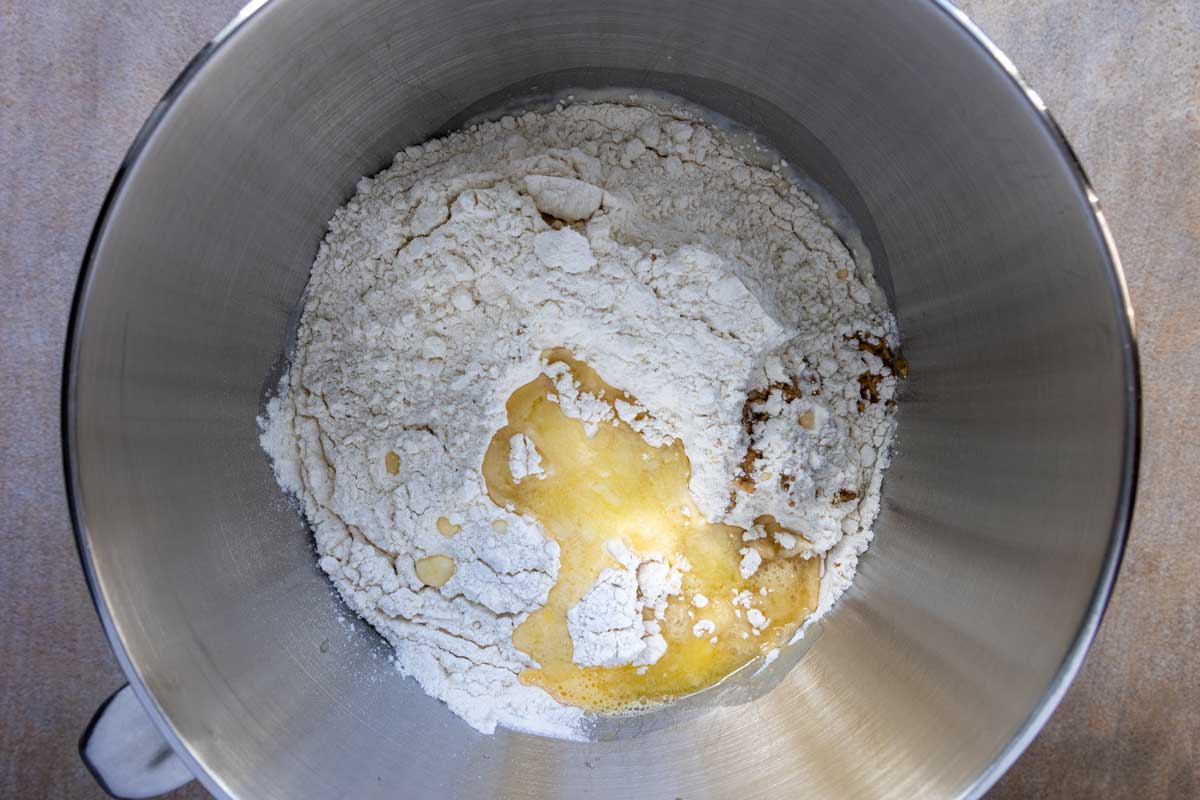
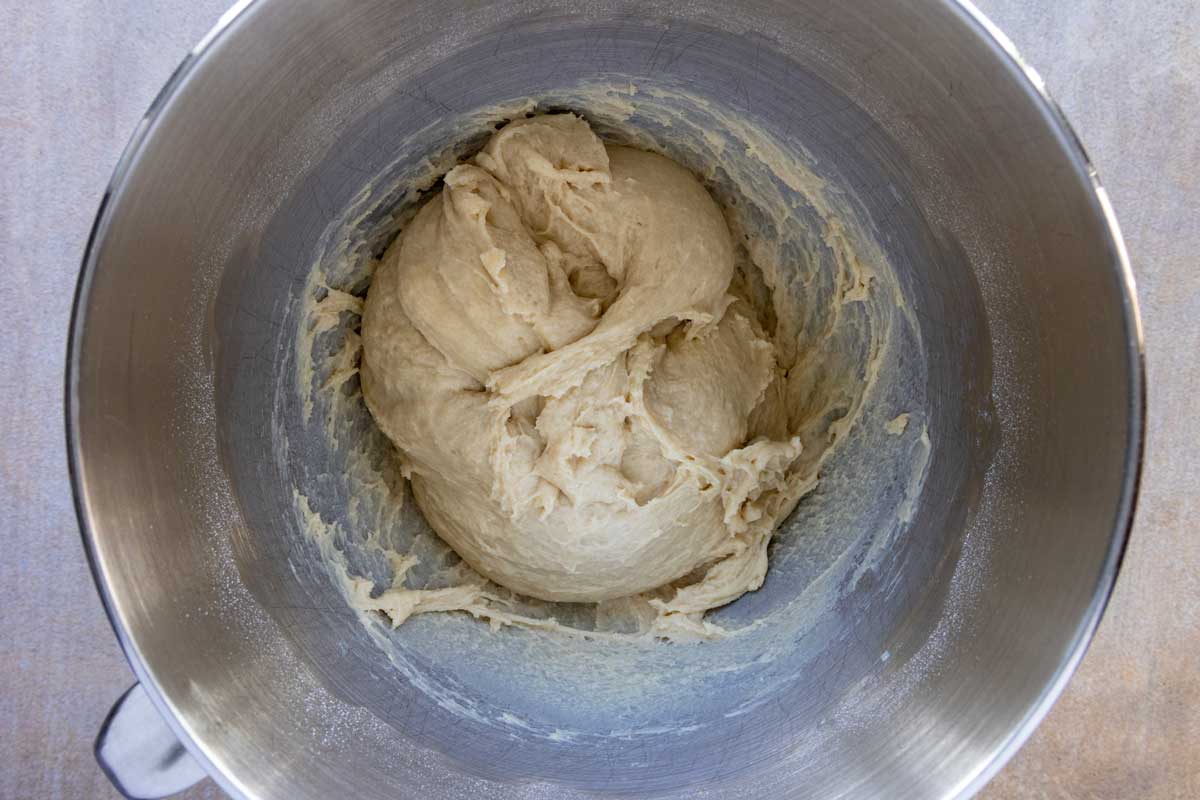
Transfer the dough to a large lightly greased bowl. Cover with plastic wrap and let it rise in a warm, draft-free spot for about 45 to 60 minutes, until roughly doubled in size.
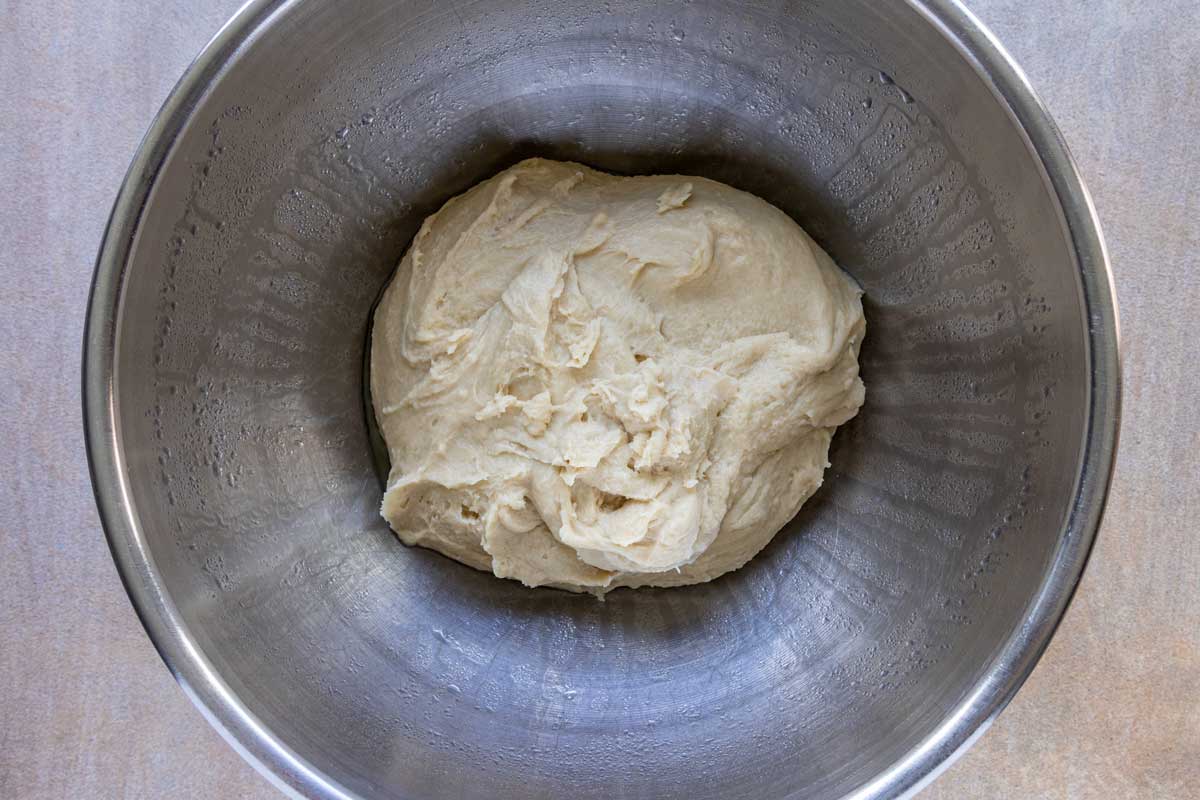
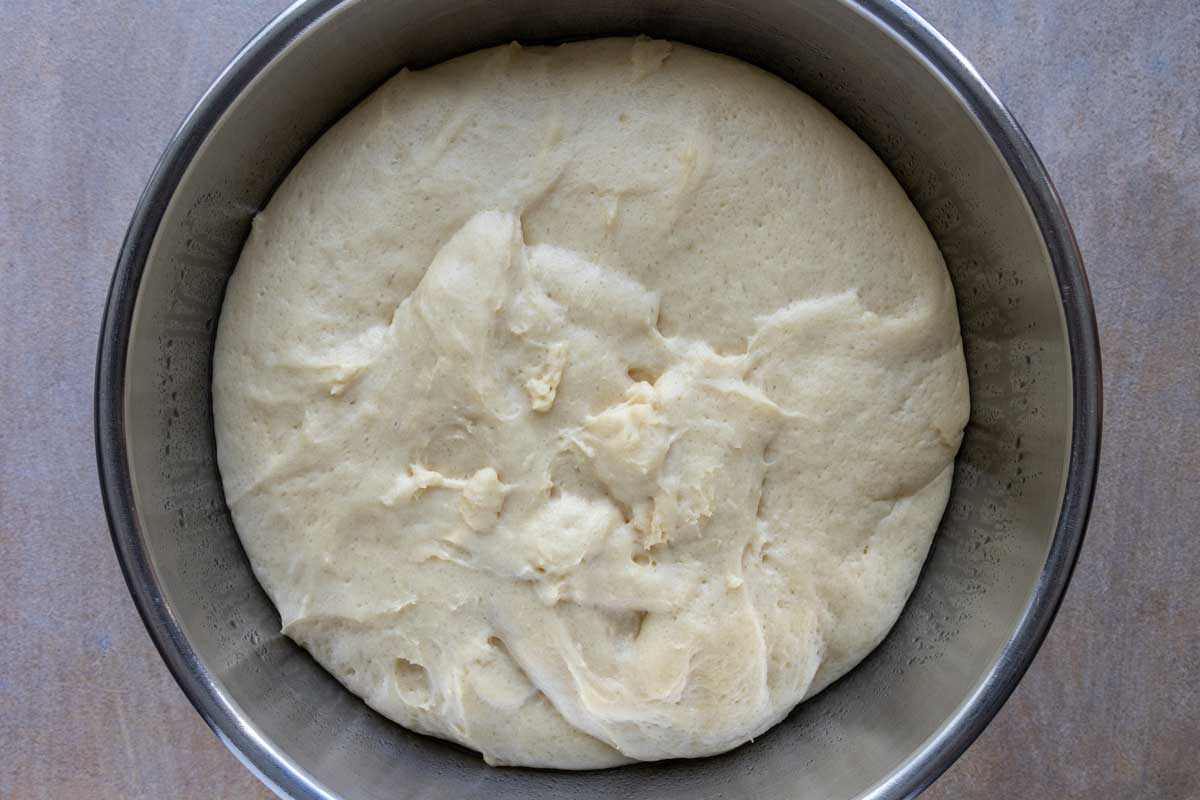
Grease a 12-by-16-inch baking sheet. Transfer the dough to the baking sheet and gently press and stretch it toward the edges of the pan. Cover loosely and let it sit out at room temperature for about 20 to 30 minutes.
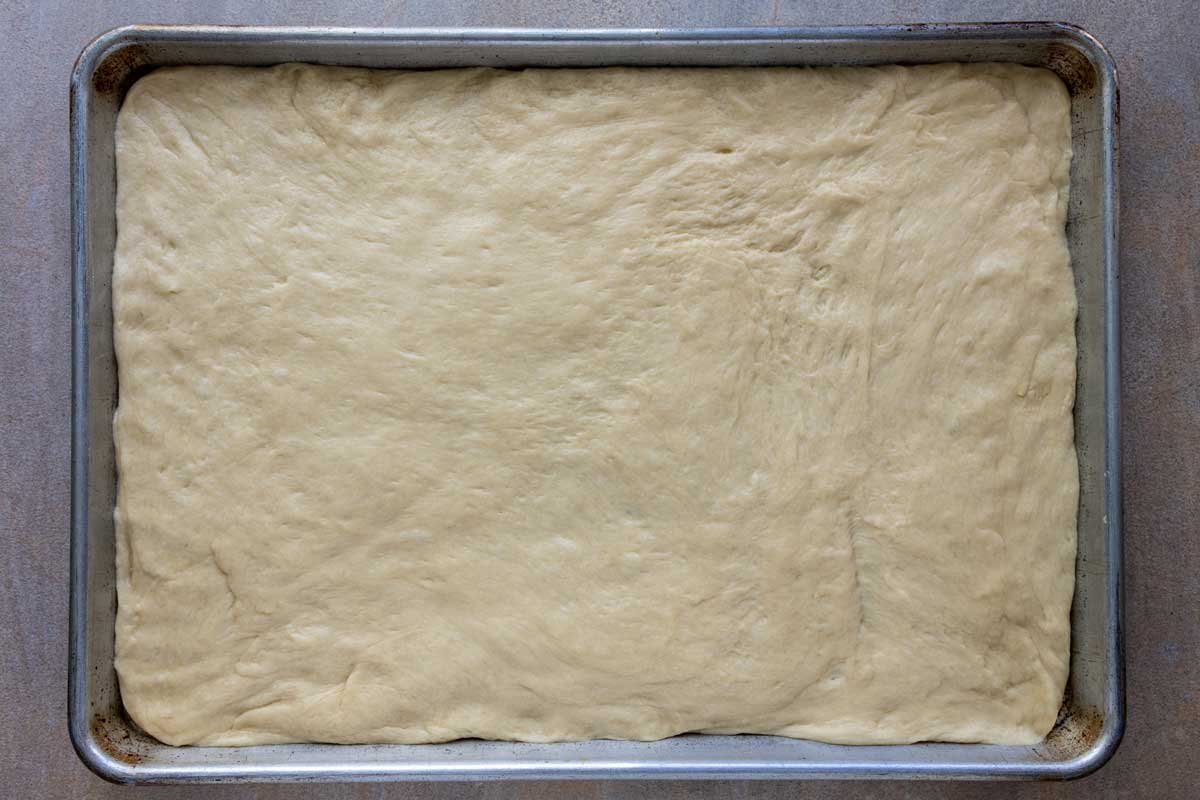
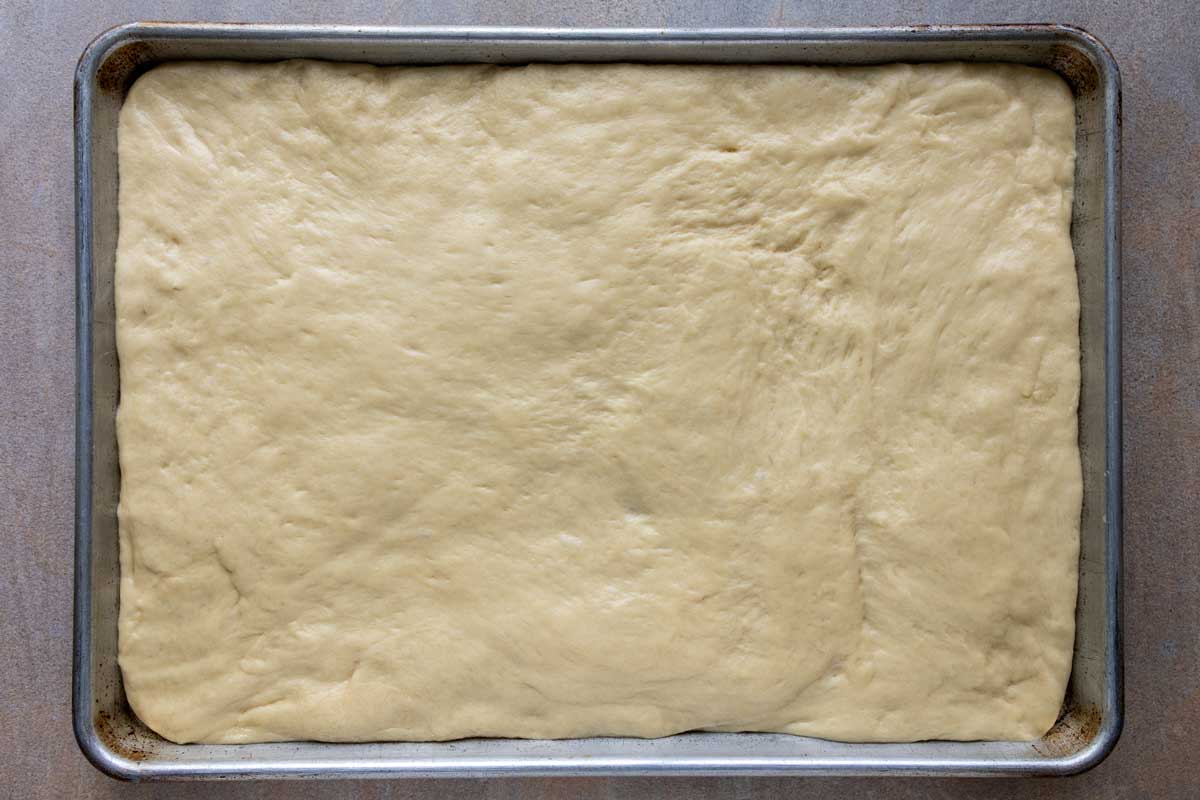
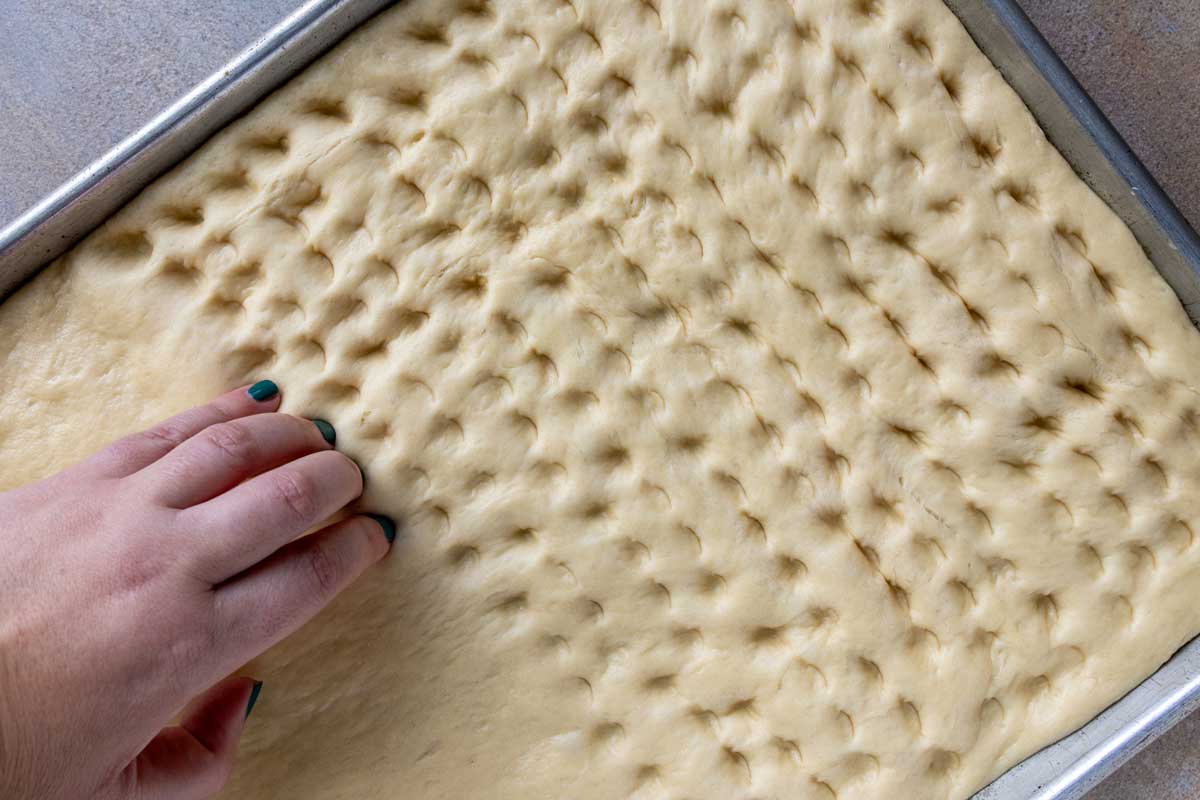
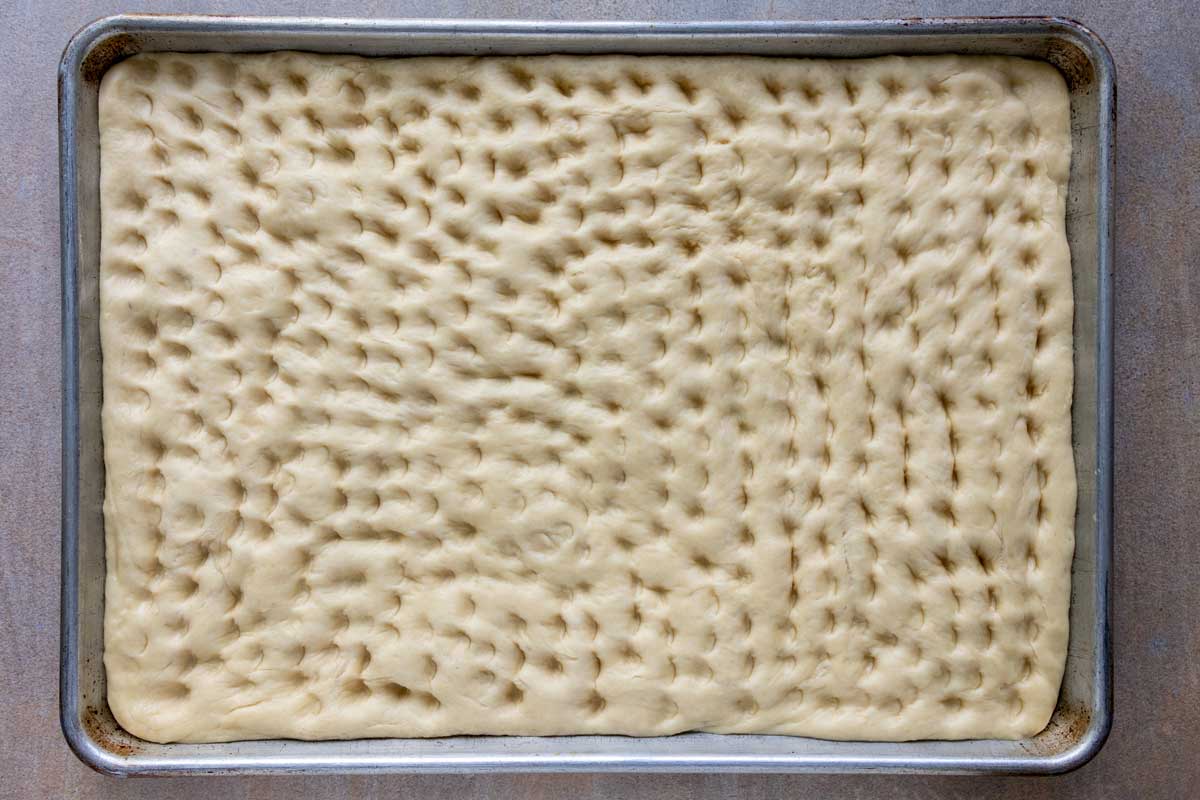
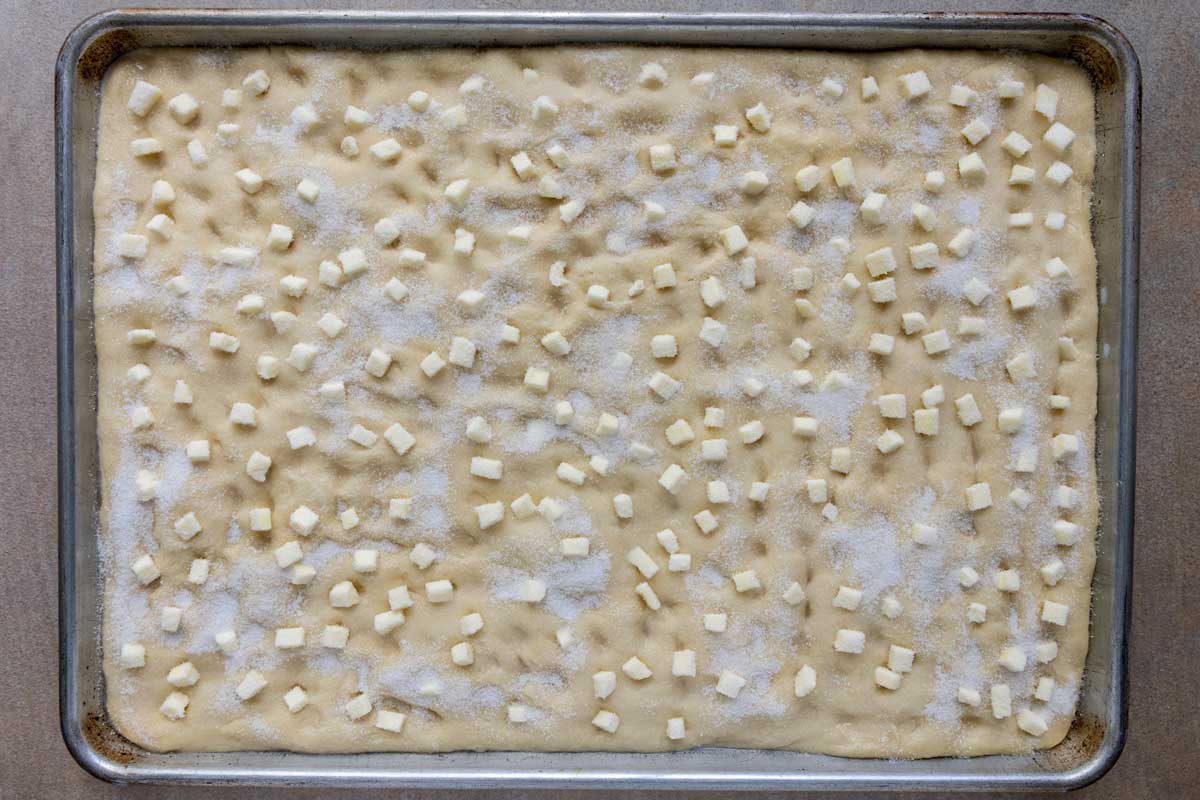
Preheat the oven with the rack in the center to 400°F (200°C). Meanwhile, dimple the top of the dough with your fingertips (like a focaccia) or with the handle end of a wooden spoon.
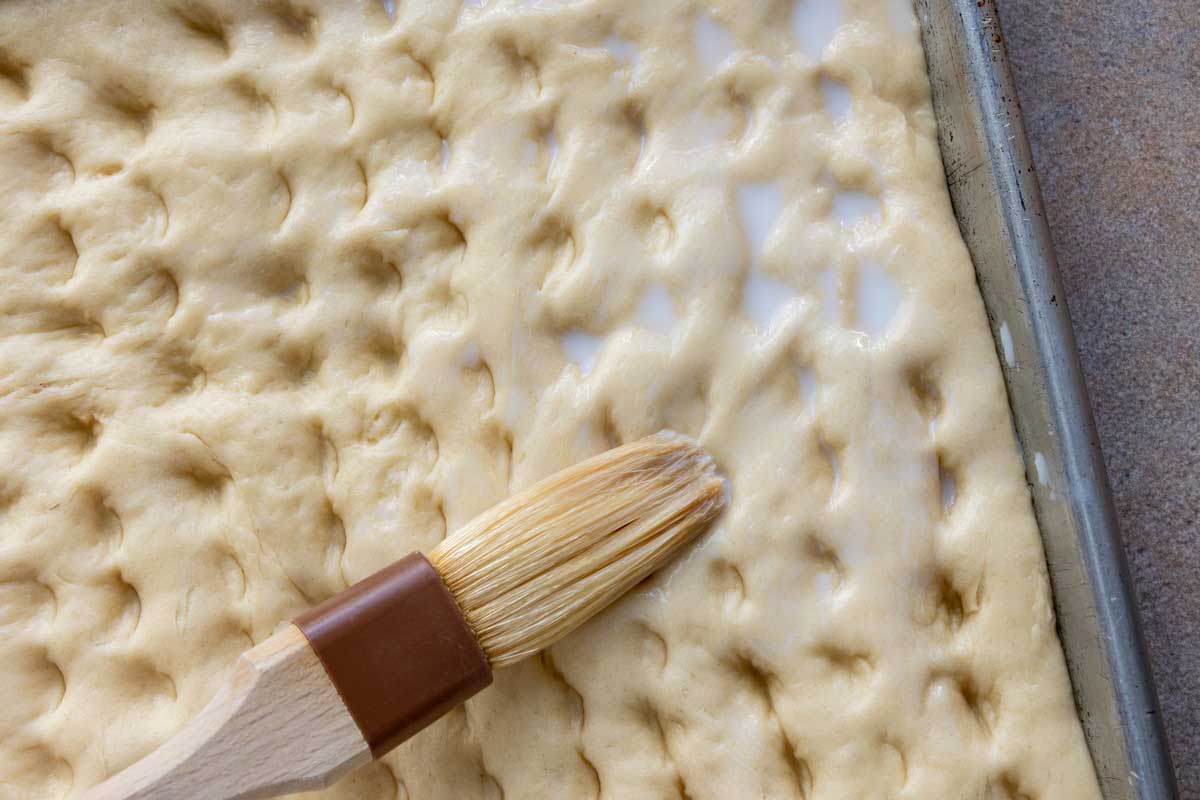
Brush the dough with the milk or cream, then place small pieces of cold butter into the dimples (it doesn't have to be perfect--you can scatter).
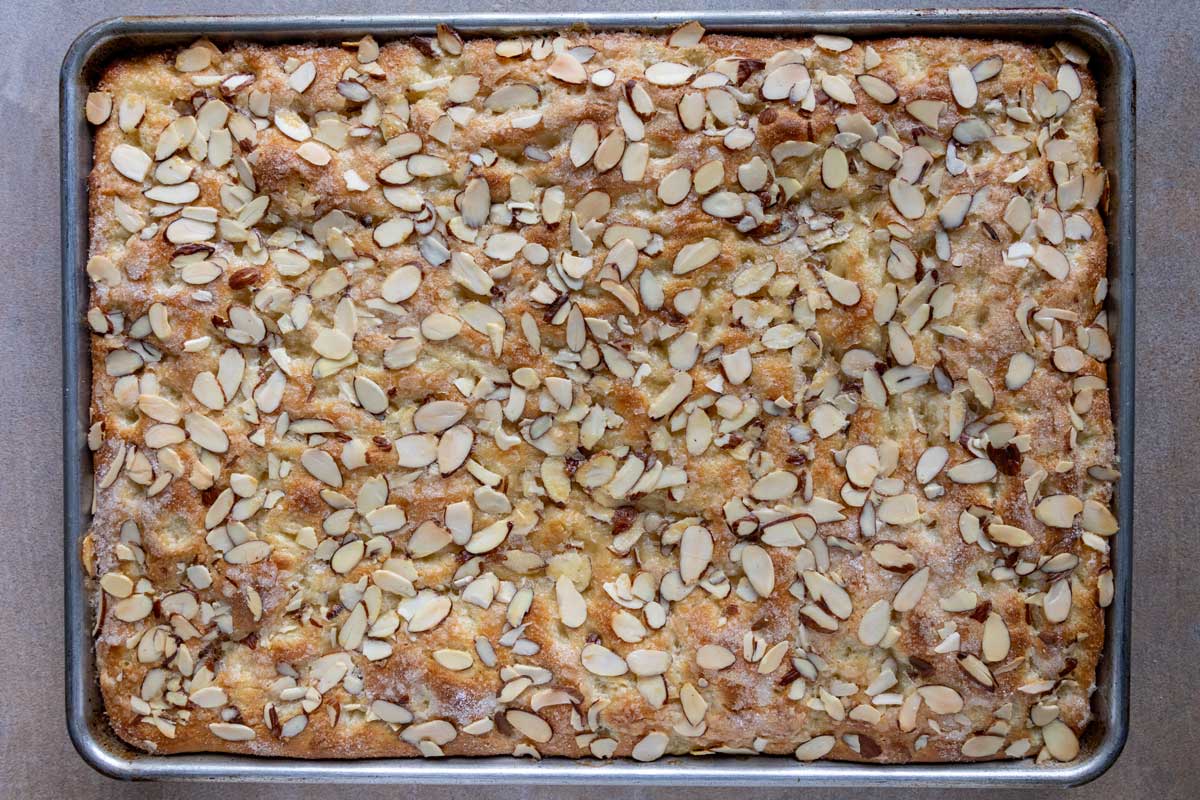
Sprinkle the sugar and sliced almonds evenly over the top. Bake for 20 minutes, or until golden brown.
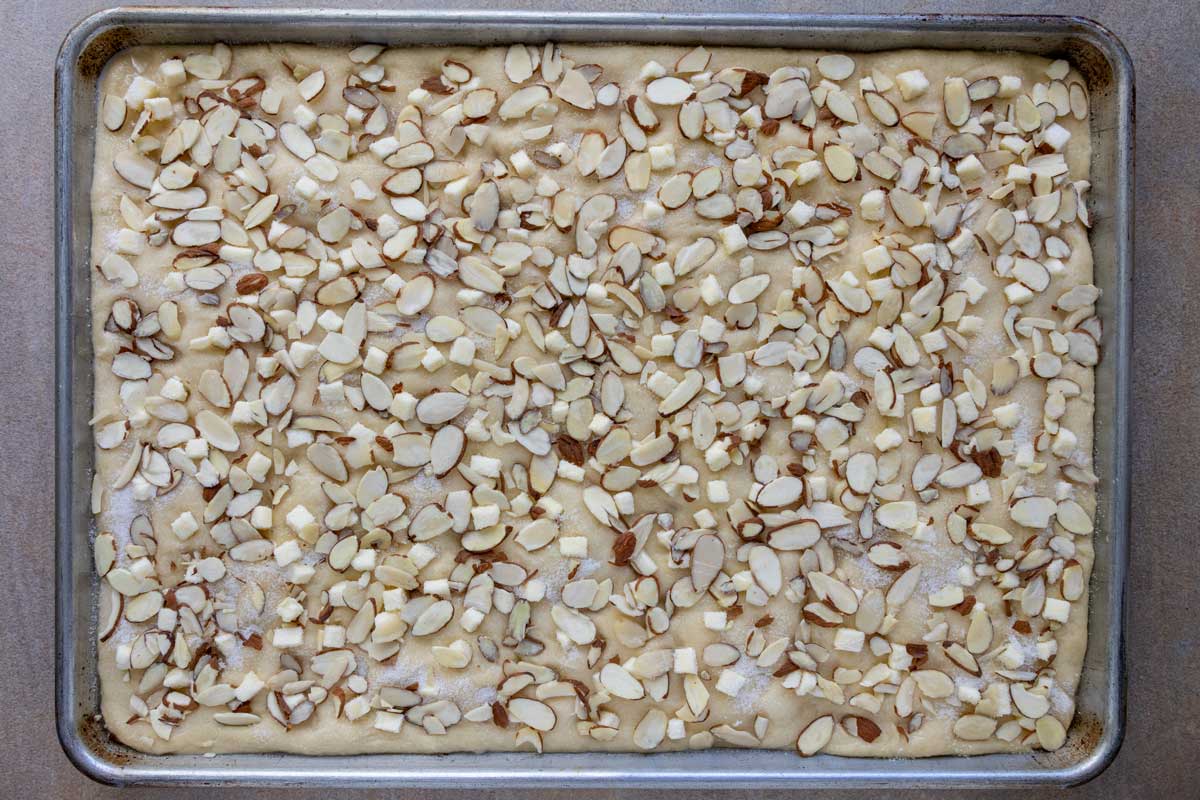
Remove from the oven. Press the edge of a spatula down around all the edges of the pan to help loosen it from sticking. Cool butterkuchen for about 10 to 15 minutes before slicing and serving.
To yield 20 (3-inch) squares, cut it into 4-by-5 rows. To yield 30 (2.5-inch) squares, cut it into 5-by-6 rows.
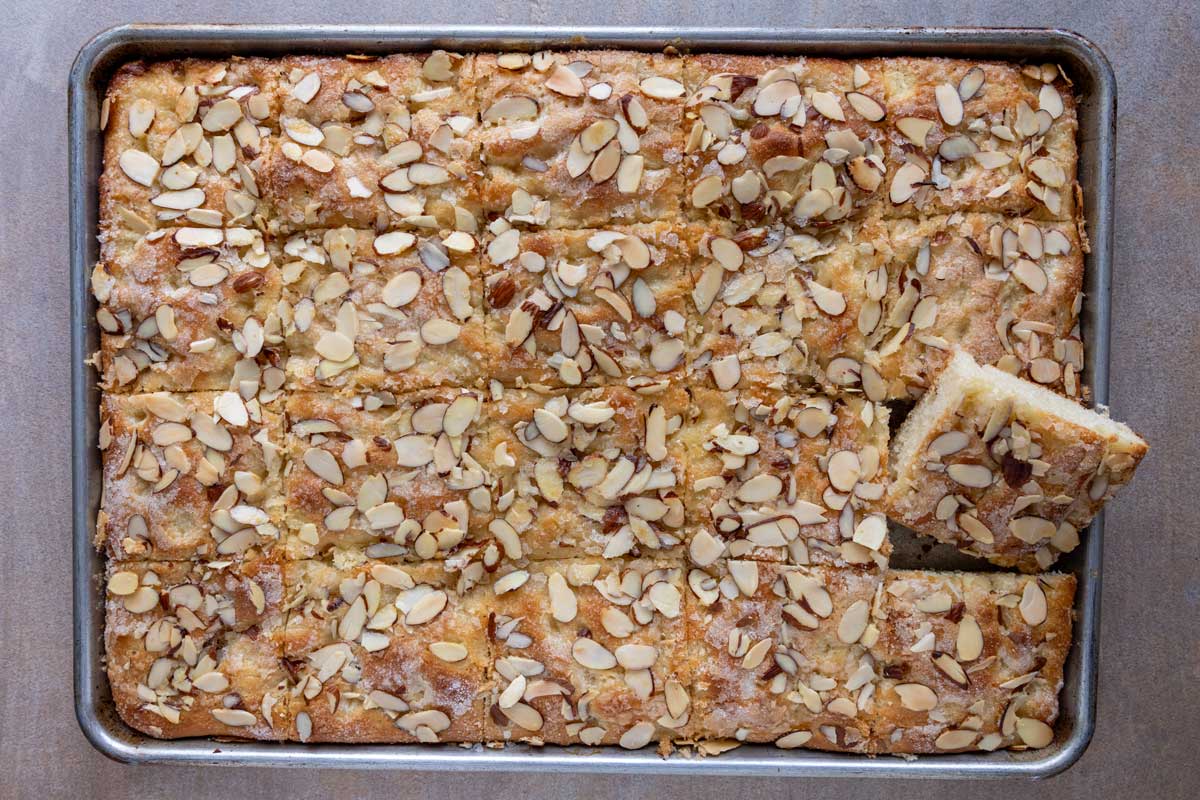
If desired, you can finish with a light dusting of confectioners' sugar.
Please scroll to the bottom of the post for the full recipe (in a printable recipe card) including ingredient amounts and detailed instructions.
Expert tips
Butterkuchen is best enjoyed shortly after baking. That being said, it will stay fresh, well-wrapped at room temperature for 2 to 3 days. You can also refrigerate it for up to 5 days but make sure to warm it back up before enjoying it. You can also tightly wrap (with clingwrap) and freeze pieces of butterkuchen in a freezer bag for up to 3 months. Defrost at room temperature before serving.
To refresh a leftover slice of butterkuchen, heat it in a toaster oven at 350°F for about 5 minutes (longer if it comes out of the fridge) but then let it cool a bit before enjoying. It should taste close to fresh baked.
To make-ahead, the dough can be kneaded and refrigerated overnight for its first rise, then brought to room temp before shaping and continuing with the recipe.
When stretching the dough into the pan, if it keeps springing back take a short break and let the dough relax. Try again after a few minutes.
Other recipes you may like
- Donauwelle Kuchen (Danube Wave Cake / Snow White Cake)
- Käsekuchen (German Cheesecake)
- Rotweinkuchen (German Red Wine Cake)
- Kirschenmichel (German Bread Pudding with Cherries)
- Pfeffernüsse (Iced German Spice Cookies)
- Heidesand (German Brown Butter Shortbread Cookies)
Tried this recipe? Please leave a star ⭐️⭐️⭐️⭐️⭐️ rating in the recipe card below and/or a review in the comments section further down the page. You can also follow me on social media on Facebook, Instagram, and Pinterest!
Butterkuchen (German Butter Cake)
Ingredients
Cake:
- 1 cup milk lukewarm (about 110°F), divided
- 100 grams (½ cup) granulated sugar divided
- 10 grams (1 tablespoon) active dry yeast
- 500 grams (4 cups) all-purpose flour
- 2 large eggs room temperature, beaten
- 55 grams (2 ounces / 4 tablespoons) unsalted butter melted
- 1 teaspoon vanilla extract or vanilla paste
Topping:
- 1 to 2 tablespoons milk or cream or as needed
- 70 grams (5 tablespoons) unsalted butter cold and cut into very small cubes
- 100 grams (½ cup) granulated sugar
- 75 grams (¾ cup) sliced almonds
Instructions
- In the bowl of an electric stand mixer fitted with the dough hook, combine half the lukewarm milk, 1 tablespoon of the sugar, and the yeast. Let it sit for 5 to 10 minutes until foamy.
- Add the remaining milk, sugar, flour, eggs, melted butter, and vanilla. Stir on low speed to combine, kneading for about 5 minutes until smooth and supple. The dough will still be soft and sticky. If you don't have a stand mixer, you can mix and knead by hand.
- Transfer the dough to a large lightly greased bowl. Cover with plastic wrap and let it rise in a warm, draft-free spot for about 45 to 60 minutes, until roughly doubled in size.
- Grease a 12-by-16-inch baking sheet. Transfer the dough to the baking sheet and gently press and stretch it toward the edges of the pan. Cover loosely and let it sit out at room temperature for about 20 to 30 minutes.
- Preheat the oven with the rack in the center to 400°F (200°C). Meanwhile, dimple the top of the dough with your fingertips (like a focaccia) or with the handle end of a wooden spoon. Brush the dough with the milk or cream, then place the small pieces of cold butter into the dimples (it doesn't have to be perfect--you can scatter). Sprinkle the sugar and sliced almonds evenly over the top.
- Bake for 20 minutes, or until golden brown.
- Remove from the oven and press the edge of a spatula down around all the edges of the pan to help loosen it from sticking (the hot sugar can cause the edges to stick as it cools). Cool for about 10 to 15 minutes before slicing and serving.
- To yield 20 (3-inch) squares, cut it into 4-by-5 rows (4 along the short edge and 5 along the long edge). To yield 30 (2.5-inch) squares, cut it into 5-by-6 rows (5 along the short edge and 6 along the long edge). If desired, you can finish with a light dusting of confectioners' sugar.
Notes
- I use active dry yeast in this recipe, although instant yeast can also work (no need to bloom it, you can just mix it right in with the other ingredients). You could also use 30 grams of fresh yeast. Regardless of the type of yeast, make sure it isn't expired and that the milk isn't too hot, as it will kill the yeast if it is.
- Butterkuchen is best enjoyed shortly after baking. That being said, it will stay fresh, well-wrapped at room temperature for 2 to 3 days. You can also refrigerate it for up to 5 days but make sure to warm it back up before enjoying it. You can also tightly wrap (with clingwrap) and freeze pieces of butterkuchen in a freezer bag for up to 3 months. Defrost at room temperature before serving.
- To refresh a leftover slice of butterkuchen, heat it in a toaster oven at 350°F for about 5 minutes (longer if it comes out of the fridge) but then let it cool a bit before enjoying. It should taste close to fresh baked.
- To make-ahead, the dough can be kneaded and refrigerated overnight for its first rise, then brought to room temp before shaping and continuing with the recipe.
Nutrition
*All nutritional information is based on third-party calculations and should be considered estimates. Actual nutritional content will vary with brands used, measuring methods, portion sizes and more.*

Comments
No Comments