Garlic Noodles
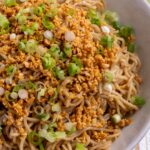
You just can’t go wrong with a plate of slurp-worthy Garlic Noodles! These chewy, springy noodles are infused with garlic in three different ways including garlic oil, fresh garlic, and fried garlic. They are outstanding as a side dish or as a main course all on their own.
Servings: 4 servings
Calories: 339kcal
Ingredients
Microwave Fried Garlic:
- ¼ cup (40 grams) minced garlic (about 8 large cloves)
- ¼ cup neutral oil (such as canola, vegetable, sunflower)
- Pinch kosher salt
- Pinch sugar
Noodles:
- 1 pound fresh or frozen saimin, ramen, yakisoba, or chow mein noodles (or 4 portions if individually packaged)
- 2 tablespoons (20 grams) minced garlic (about 4 large cloves)
- 3 tablespoons soy sauce (preferably low-sodium)
- 2 teaspoons instant dashi powder (such as HonDashi)
- 2 tablespoons chopped scallions
- Sambal oelek for serving (optional)
Instructions
Microwave Fried Garlic:
- Place minced garlic in a microwave-safe bowl and add oil to cover. Cover the bowl with a paper towel or microwave lid so nothing splatters (you may want to wipe condensation off the lid periodically as you proceed so the water doesn’t drip into the bowl).
- Microwave for 1 minute, then stir. Repeat this process, stirring and microwaving in 30-second increments until the garlic begins to brown. Then continue to repeat, stirring and microwaving in 15-second increments, until the garlic is a deep gold. This could take between 2 and 4 minutes total, depending on your microwave.
- Drain the garlic in a sieve set over a small bowl or measuring cup, reserving the oil. Transfer the microwave fried garlic to a plate lined with paper towels and season with a pinch each of salt and sugar. Set aside to cool.
Noodles:
- Bring a large pot of water to a boil over high heat. Add noodles to the pot and jostle them around a bit to loosen them apart. Cook according to the package directions (which could be anywhere from 30 seconds to a few minutes depending on the noodles). They should be tender but springy. Drain and set aside.
- In a wok or nonstick skillet, heat the reserved garlic oil (from making the microwave fried garlic) over high heat until it shimmers. Add the drained noodles and fresh garlic, tossing to coat. Then add the soy sauce and dashi powder and continue to stir-fry for another minute or two until the sauce is absorbed. If using refrigerated pre-cooked noodles (ones you didn't have to boil to refresh) you can add a splash of water or two at this point. This will help finish hydrating the noodles.
- Remove from the heat and transfer the noodles to a serving dish or divide into individual bowls. If desired, reheat the fried garlic in the microwave until crispy, 10 to 15 seconds, keeping an eye (and a nose) on it so it doesn’t burn.
- Garnish the noodles with the fried garlic and chopped scallions before serving. For a spicy kick, top with sambal if desired.
Notes
- Leftover garlic noodles will keep in the fridge for a few days. Reheat in the microwave.
- Noodles:
- If you can find them, use fresh or frozen saimin noodles (which are made with wheat and egg), or use other wheat noodles such as ramen, yakisoba, or fresh chow mein noodles. Always follow package directions to determine how to prep the noodles before stir-frying them, as methods will vary depending on the noodle.
- In many cases, yakisoba and chow mein noodles (in the refrigerated section of Asian markets) are pre-cooked or "heat treated." They can be added to the wok or skillet without boiling, but may need to be heated or rinsed first depending on what the package indicates. When stir-frying, you may also want to add a couple splashes of water along with the soy sauce to help finish hydrating and cooking the noodles through.
- I used frozen pre-cooked saimin noodles which just need a quick blanch in boiling water (about 30 seconds). Each portion weighs a bit more than a portion of fresh noodles because they are already cooked and have already absorbed some water (so I used about 18-to-19-ounces, or 4 portions, instead of 16-ounces).
- The measurements in the recipe are based on using fresh or frozen noodles rather than dry noodles.
- If you need to use dried or instant noodles, about 10 ounces of dried noodles or 5 packages of instant ramen noodles (without the seasoning packet) will hopefully get you close.
- Dashi Powder: Use instant dashi powder or HonDashi to add a quick, umami kick to these noodles. You can also use vegetarian instant dashi powder if you want to make vegetarian garlic noodles.
- Soy Sauce: I prefer using low-sodium soy sauce. If you are using regular soy (not low-sodium), start with less and add more as needed to get to your desired flavor.
- Adapted from Cook Real Hawai’i
Nutrition
Calories: 339kcal | Carbohydrates: 45g | Protein: 9g | Fat: 14g | Saturated Fat: 1g | Polyunsaturated Fat: 4g | Monounsaturated Fat: 9g | Sodium: 730mg | Potassium: 170mg | Fiber: 4g | Sugar: 1g
Check out the original post for more information, step-by-step photos, and more by scanning this QR code!